
Home Maintenance
A Seasonal Home Care Plan You Can Keep
A simple monthly and seasonal home-care plan for leaks, filters, alarms, drainage, and service records—with clear limits for unsafe work.
Home › Advice
Start with what you see, hear, or smell. Our guides explain the safe checks you can make, the signs that mean stop, and what to tell a qualified pro.
No exact guide yet. Try a shorter word such as “water,” “heat,” “roof,” or “pest.” Looking for prices? See our costs and quote-planning guides.
Three short guides that can make the next home problem easier.
A simple monthly and seasonal home-care plan for leaks, filters, alarms, drainage, and service records—with clear limits for unsafe work.

Find and label your home's water valve before a leak. Make a safe shutoff plan, know when not to touch a valve, and save the right phone numbers.
Check the license, business name, work type, and insurance before hiring. Includes official Florida, California, and Texas starting points.
Protect people, stop damage, and know who to call.
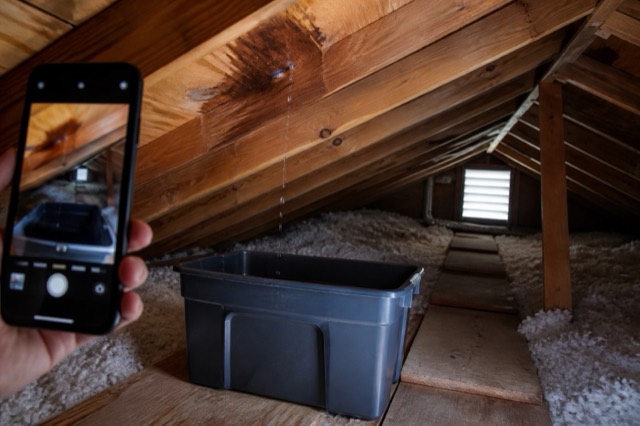
Keep people away from wet ceilings and electricity. Save a short leak record, arrange safe temporary work, and avoid a rushed full-roof contract.

A safe water heater leak plan: avoid gas, electrical, heat, and pressure hazards; get the right shutdown steps; and give the plumber useful facts.
Find and label your home's water valve before a leak. Make a safe shutoff plan, know when not to touch a valve, and save the right phone numbers.
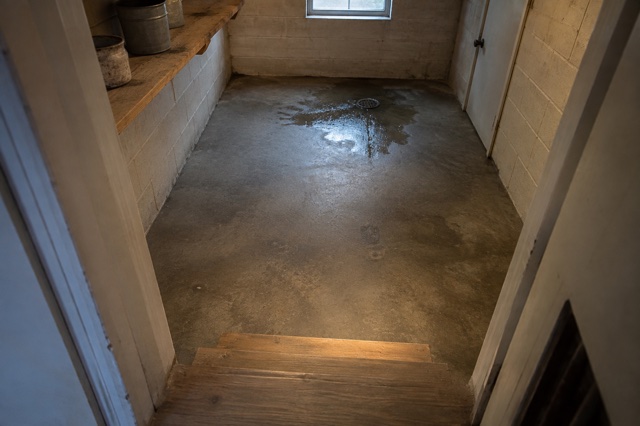
Sewage coming up a drain? Stop water use, stay out, and call for help. Make a photo and call record from a dry spot without delaying the response.
Clear checks for airflow, filters, AC, and heat.
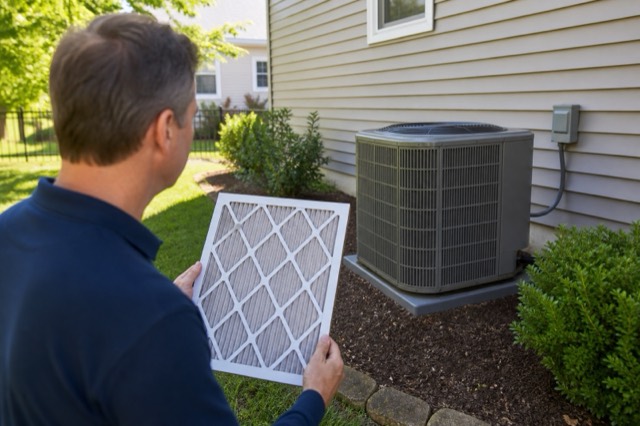
Check the thermostat, filter, and visible symptoms without opening the AC. Stop for ice, water, electrical hazards, or unsafe indoor heat.
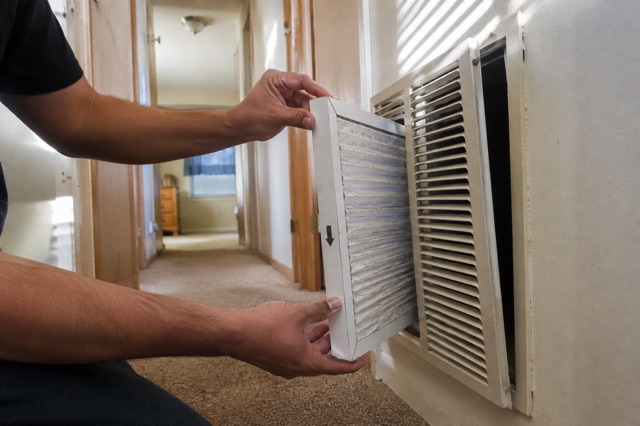
Use the right HVAC filter size, airflow arrow, and system rating. Follow the owner's manual and keep a simple change record.
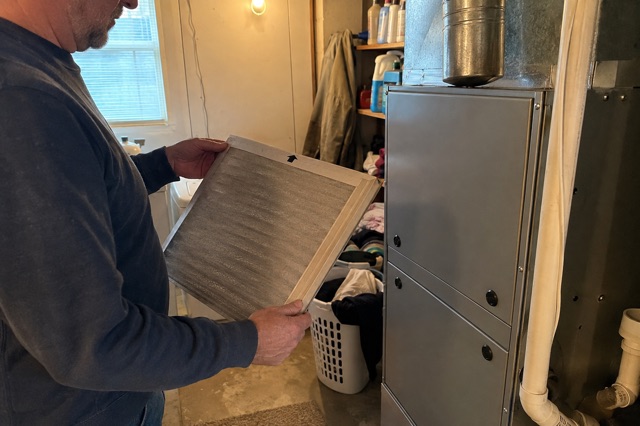
Safe checks for a furnace or heat pump that is not heating, plus the gas, carbon-monoxide, electrical, and cold-weather signs that mean leave or call now.
Find leaks, shut off water, and prevent more damage.
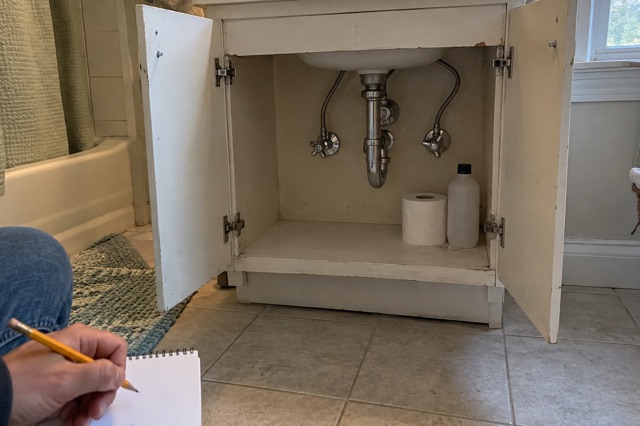
Polybutylene (PB) water pipe went into many homes from the 1970s to the mid-1990s. Where to look, how to tell it from PVC and PEX, why some of it failed, why insurers ask about it, and how to plan a re-pipe quote.
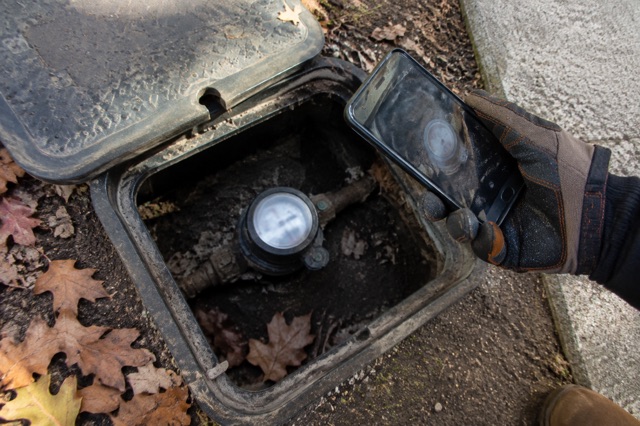
Use two water-meter readings with no water use between them. Learn what a change means, what it does not prove, and what to send the utility or plumber.
Handle warning signs before food, floors, or safety suffer.

Use 40°F, the four-hour outage limit, and the food-specific two-hour chart to decide what to keep. Protect food before checking the appliance.
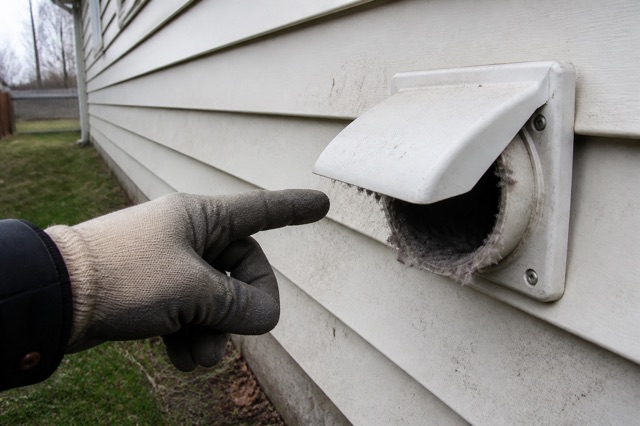
Stop for heat, odor, smoke, or gas. Check the lint filter and visible vent path safely, then ask for service if drying stays slow.
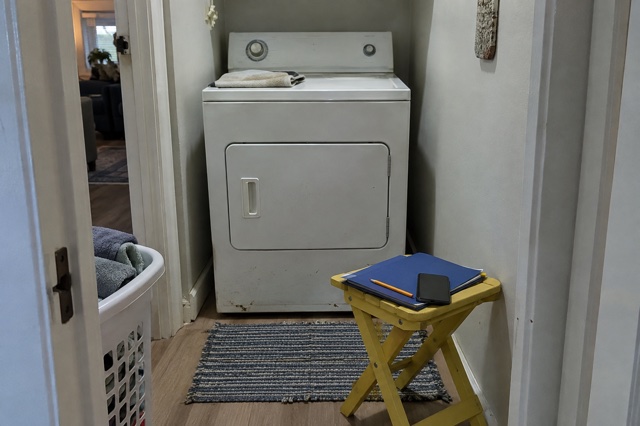
A four-fact worksheet for a broken appliance: check for a recall, then weigh age, the failure, parts, and safety risk against a written repair estimate.
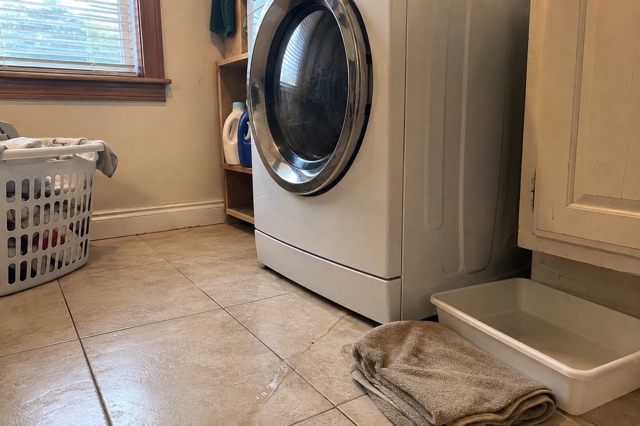
Stop a washing-machine leak safely, protect the floor, trace the highest wet point, and collect the facts a repair technician or plumber will need.
Know the safe checks—and the signs that mean stop.
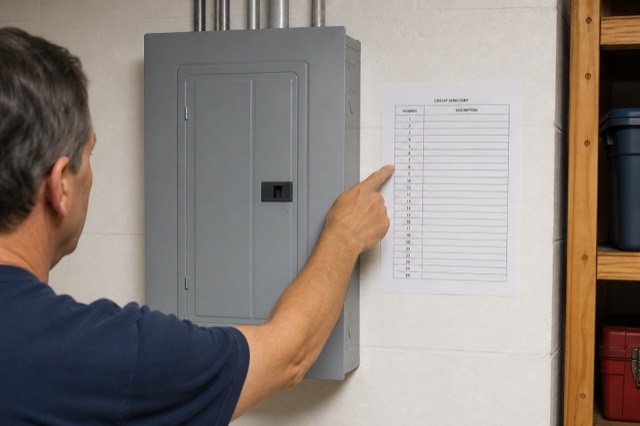
A repeated breaker trip needs a cause check, not repeated resets. Keep clear of hazards, record the pattern, and leave panel work to an electrician.
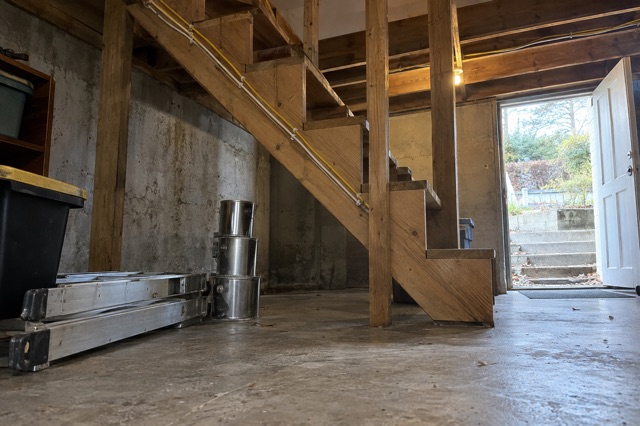
Homes wired from 1965 to the mid-1970s may have aluminum branch wiring. How to read the cable jacket without touching it, the warning signs, the three permanent repairs CPSC recognizes, and the paperwork some insurers ask for.
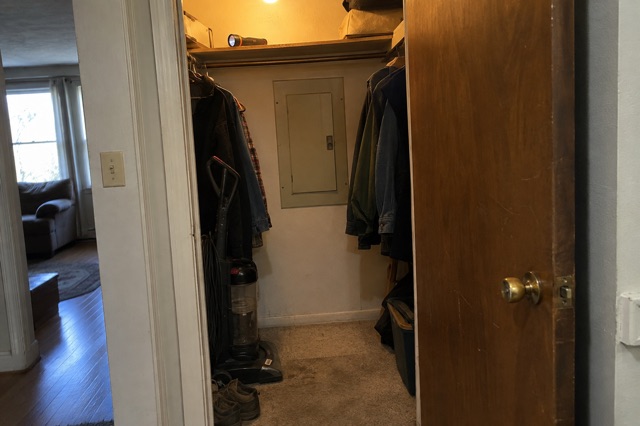
How to tell if your breaker panel is a Federal Pacific Stab-Lok or Zinsco without taking it apart, what CPSC found and did not find, why some insurers flag them, and what to do next.

Check smoke and carbon monoxide alarms by room, age, power source, and test result. Make an exit plan before an alarm sounds.
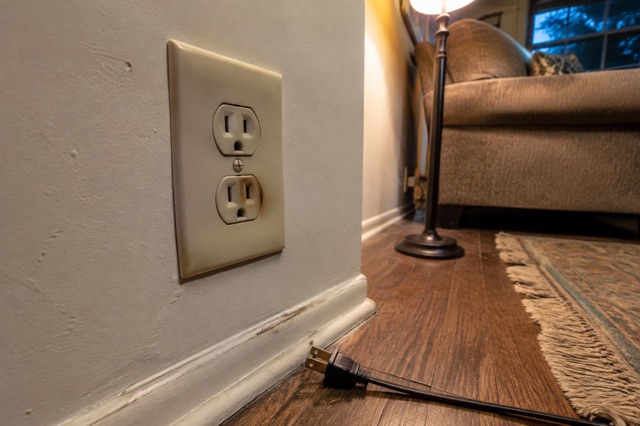
What a warm, buzzing, loose, or discolored outlet can mean, what not to touch, and the facts to give a qualified electrician.
Identify signs and clean up without spreading the problem.
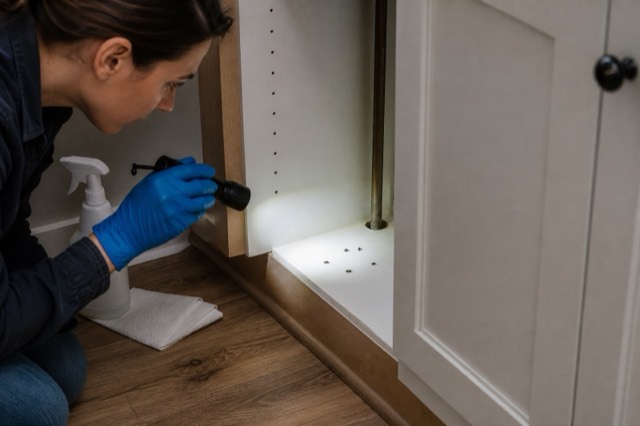
For a small rodent cleanup, ventilate for 30 minutes, wet droppings, follow the five-minute or label contact time, and wash gloves and hands.
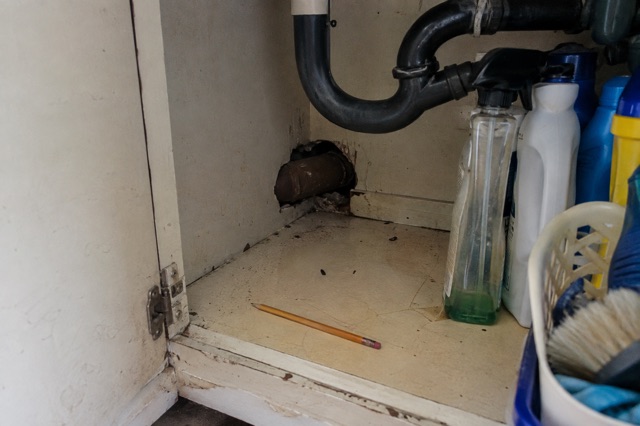
Use the CDC's pencil-width rule to find mouse entry gaps around pipes, cabinets, doors, vents, foundations, attics, and garages.
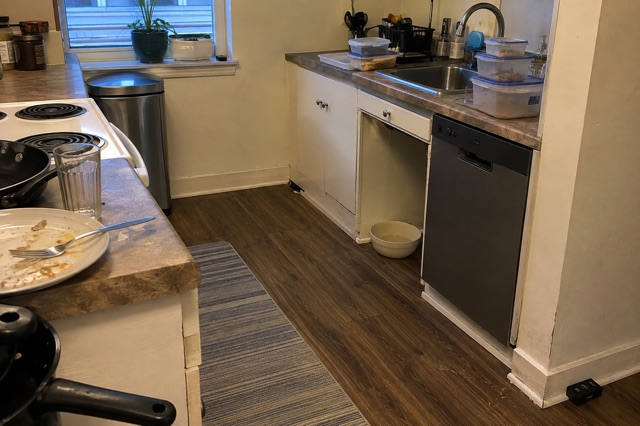
A plain integrated pest-management plan for indoor ants and roaches: identify, monitor, remove food and water, block paths, then choose targeted control.
Trace water, dry the area, and protect your home.
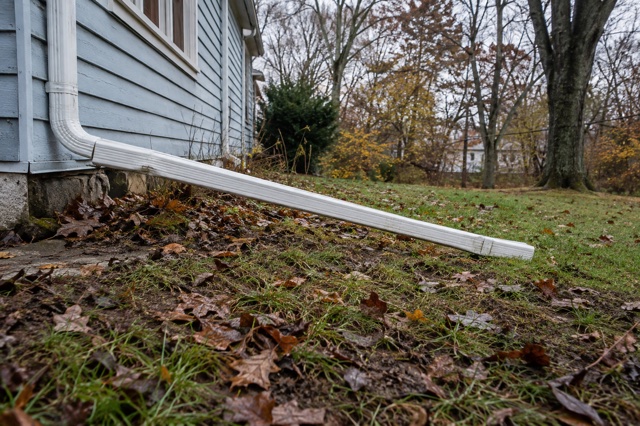
A ground-level check of gutters, downspouts, and soil slope, with weather limits and photos that help you discuss the next repair.
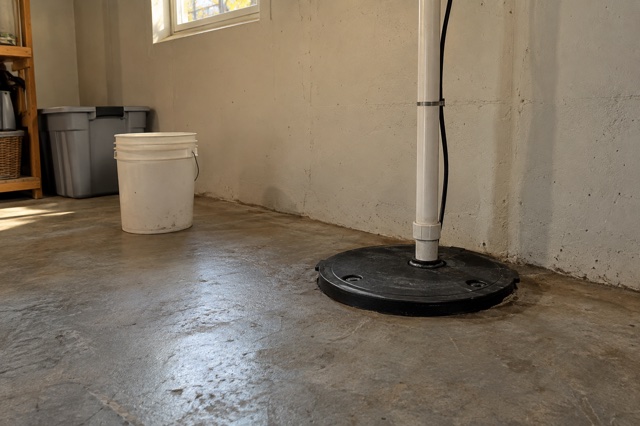
Start with your sump pump's manual. Check safe access, learn when to stop adding water, and record what happens without opening sealed covers.
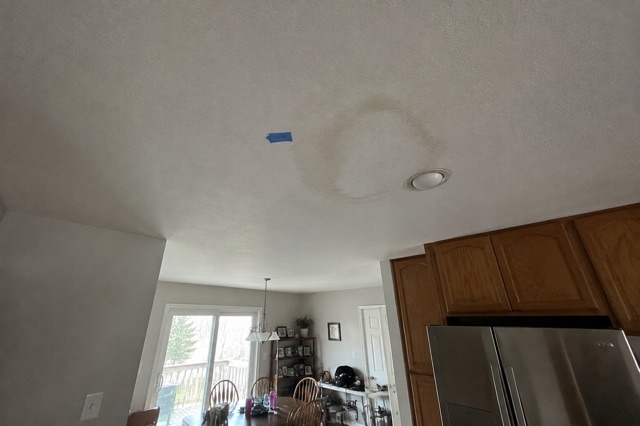
Use change, timing, touch-free clues, and photos to tell whether a ceiling stain may still be active—without puncturing or opening the ceiling.
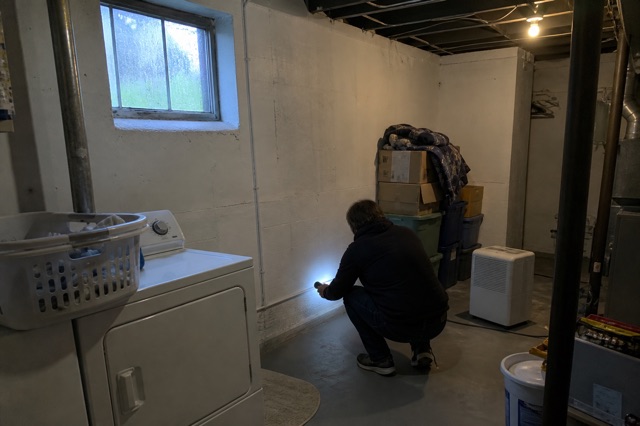
A safe room-by-room check for a musty odor when you cannot see mold, including leaks, humidity, hidden spaces, HVAC limits, and the call-a-pro line.
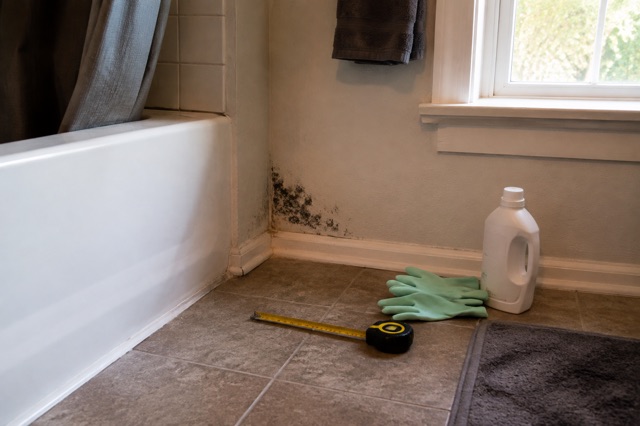
Use EPA's size guide and exception list to decide whether a small mold cleanup may be reasonable or the job needs an experienced professional.
Leaks, materials, quotes, repairs, and contractor checks.
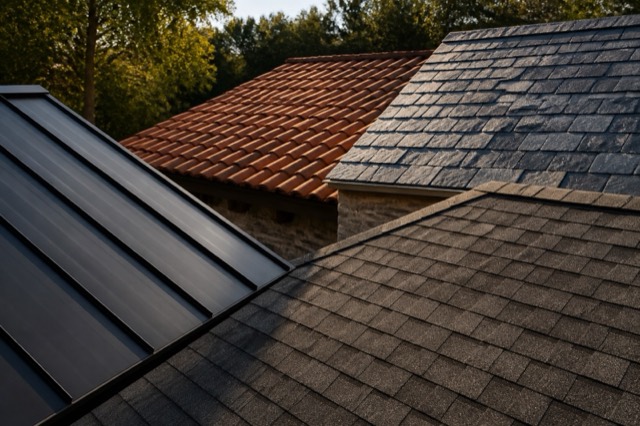
Compare metal and asphalt roof bids by system, upkeep, warranty, and total scope without assuming a fixed payback.
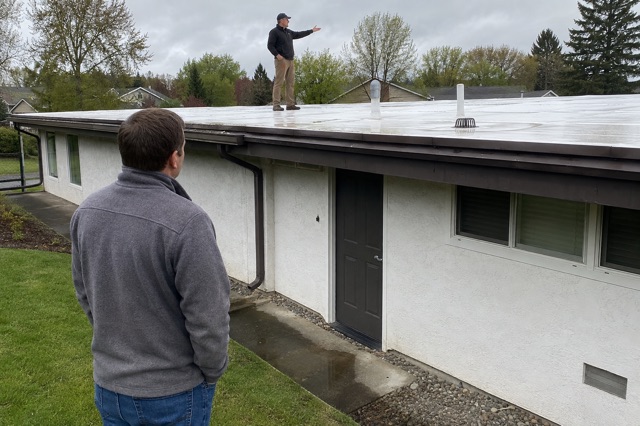
Compare four low-slope roof systems by seams, drainage, repair access, and written scope. No single material fits every roof.
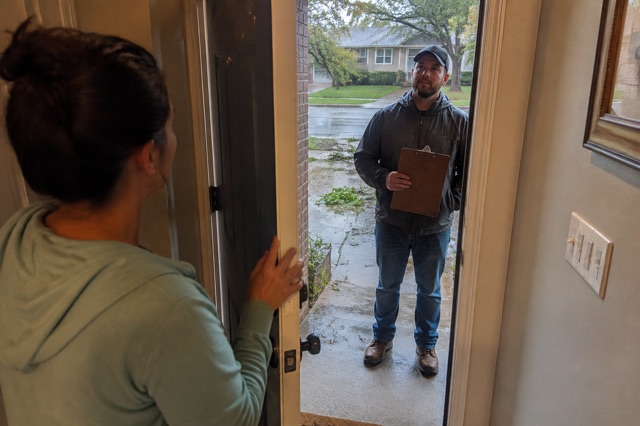
Check a post-storm roof offer, protect claim records, and know where to seek help if you already signed a contract.
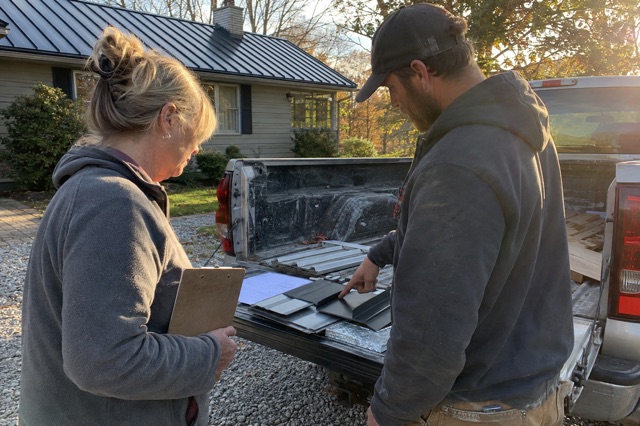
Check a metal roofer's license, past jobs, panel system, and written scope before you sign.
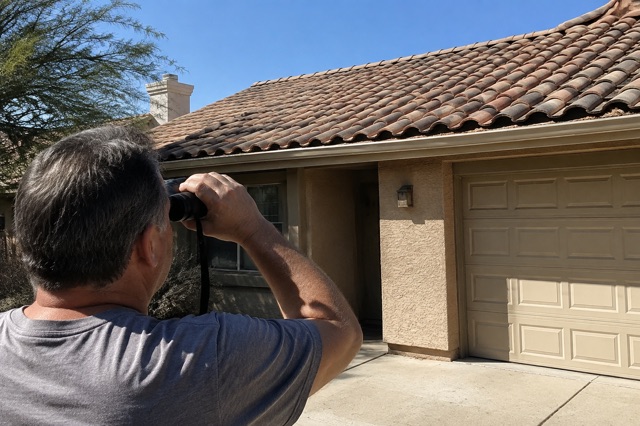
Check tile roof changes from the ground, arrange safe care, and ask about leaks, drainage, and layers below the tile.
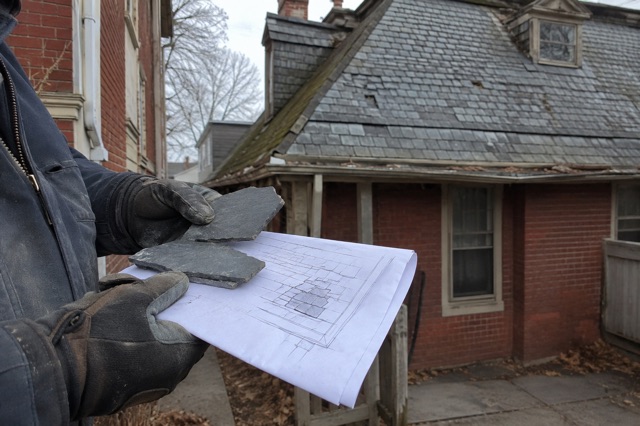
Ask a slate roofer for evidence, matching repair materials, and a roof-specific plan before choosing repair or replacement.

Put roof bids into the same scope, mark unknown costs, check payment rules, and compare the actual warranty before choosing.
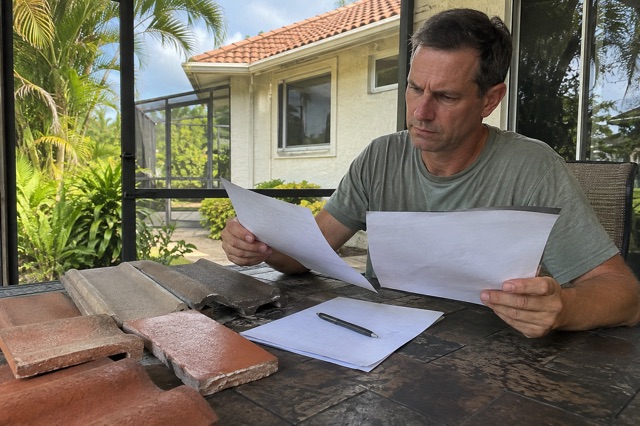
Check a tile roofer's work history, roof-system plan, safe access, and written scope. Keep trade membership separate from licensing.
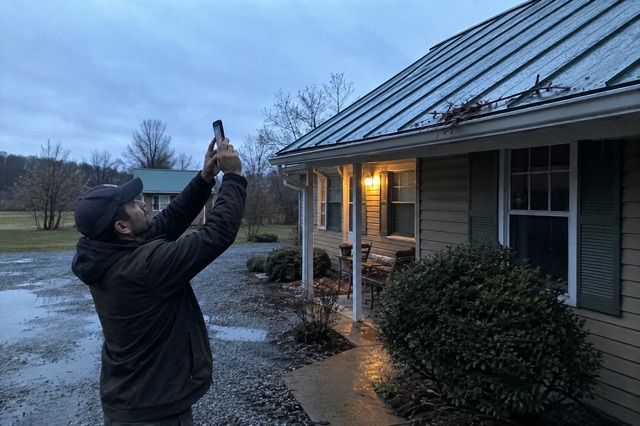
A safe metal roof care plan: identify the system, track leaks from the ground, and ask a roofer for model-specific repairs.
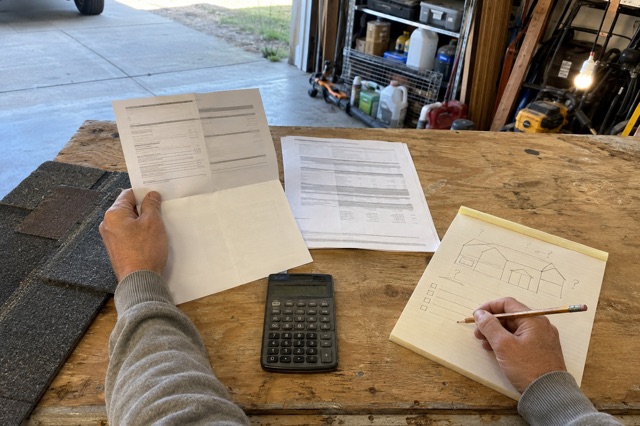
Seven roof sales issues worth checking: pressure, unclear names, vague scope, payment terms, claim-rights forms, and unsupported promises.
Prepare openings, records, and insurance questions.
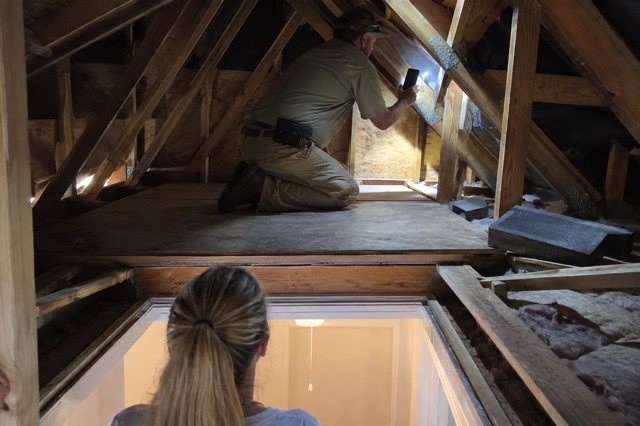
Prepare for Florida's April 2026 wind inspection form. Gather proof, check openings and inspector credentials, and ask your insurer about credits.
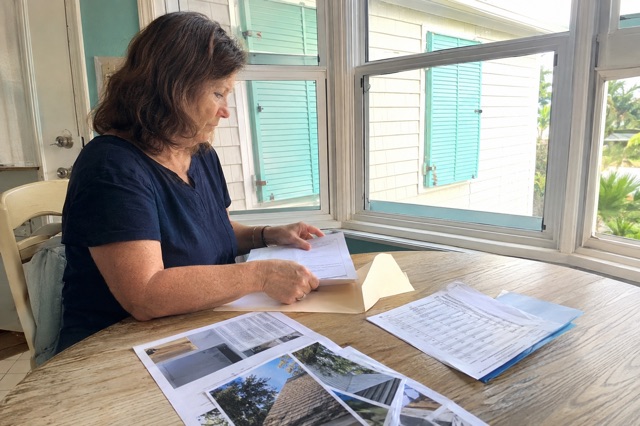
My Safe Florida Home grant rules, income limits, the free inspection, and why work must wait for grant approval.
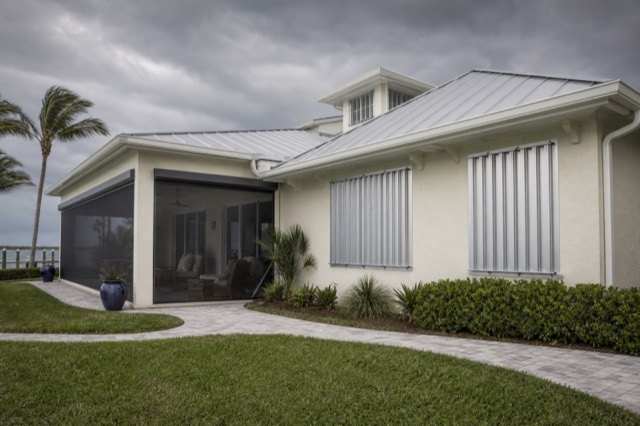
Compare storm screens and shutters by the exact approval, daily use, power-loss plan, exit route, and written installation scope.
Check licenses, contracts, bids, and promises.
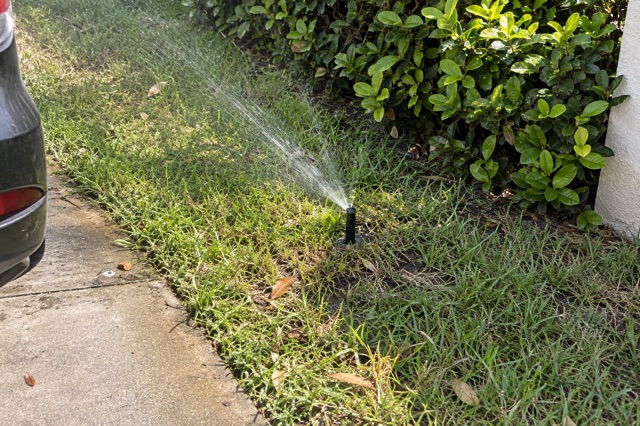
A Florida buyer reported sprinkler, sewer, and skylight problems and a suspect pool-deck drain after closing. See what a standard inspection can miss.
Check the license, business name, work type, and insurance before hiring. Includes official Florida, California, and Texas starting points.
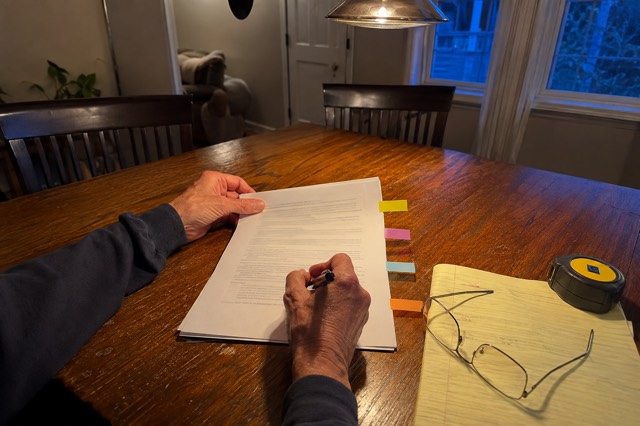
Check the work, materials, price, payment stages, changes, lien releases, and warranty terms before signing a home repair contract.
Simple routines that catch small problems earlier.
A simple monthly and seasonal home-care plan for leaks, filters, alarms, drainage, and service records—with clear limits for unsafe work.
Document damage and understand the claims process.
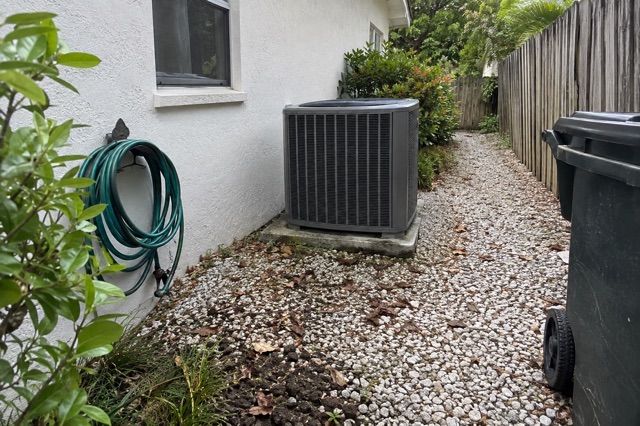
A Florida 4-point inspection checks the roof, electrical, plumbing, and HVAC for an insurer. Who needs one, what the form asks, the red flags that can block a policy, how to prepare, and how it differs from a home inspection and a wind mitigation inspection.

Stay safe after roof damage, save claim records, read the payment terms, and avoid promises a contractor cannot make.
See what may cover a repair—and what probably does not.

Tell home insurance, service plans, product warranties, and labor warranties apart. Check the cause, limits, and claim steps before assuming coverage.
Compare ways to pay without hiding the tradeoffs.

Compare cash, home equity, contractor offers, and other ways to pay. Check the full cost, liens, tax bills, and claim gaps before signing.
Plan screens and shade structures before signing.
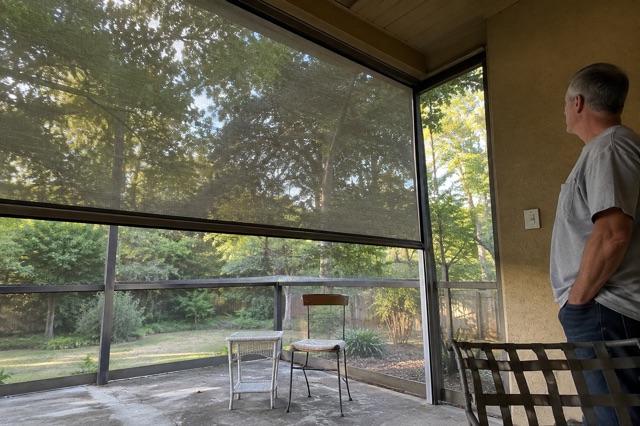
Choose screen mesh, tracks, power, and controls for your patio. Check wind limits and compare a clear scope before buying.

Plan the size, posts, drainage, power, and permit checks for a louvered pergola. Compare site-specific bids without a false fixed price.
A seasonal checklist for your roof, gutters, HVAC and more, plus practical homeowner tips. Adjust the schedule for your climate and equipment.
We don't sell your email address. See our privacy policy.