Home › Advice › Storm Protection › Hurricane Screens or Shutters: Which Fits Your Home?
Hurricane Screens or Shutters: Which Fits Your Home?
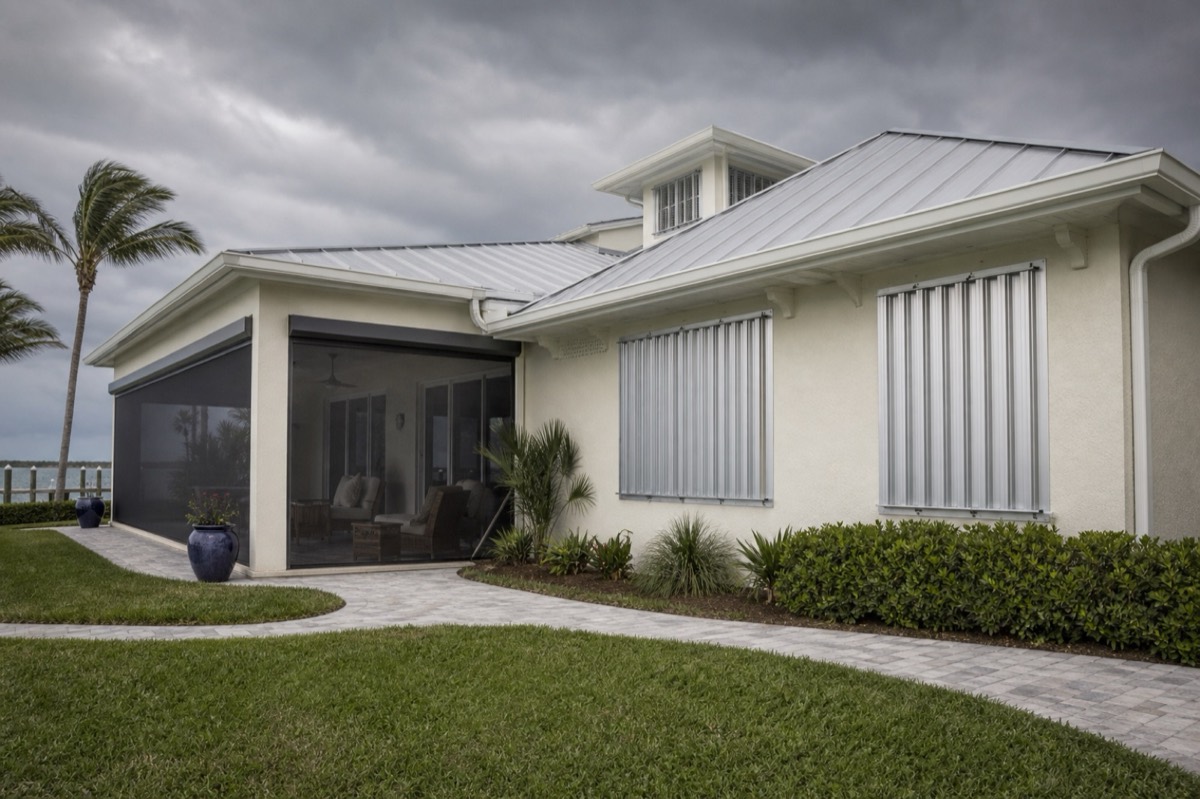
Choose storm screens or shutters by the exact product and how you will use it. A broad label like “hurricane rated” is not enough. Check the approval for your opening, see a safe demo, and plan for a power outage. No one type is best for every window or household.
Start with a map of the openings
Walk around the home from the ground. Make a numbered list of windows, exterior doors, garage doors, and skylights. Do not climb to measure high openings. Have the installer take the final sizes.
For each one, note who will close the protection and how they will reach it. Mark the exit route you need to keep usable. This small map helps you compare bids for the same job.
A bid that leaves out a hard-to-reach window may look cheaper. It is not the same scope. Ask each bidder to show what is included beside each number.
Compare the daily work each type needs
The Florida storm retrofit guide describes several designs. It is a legacy technical guide, not a current price list.
- Removable panels: need a place to store them and a plan to put them up.
- Accordion shutters: fold at the sides and stay at the opening.
- Roll-down shutters: move down from a housing above the opening.
- Fabric systems: use a tested fabric and mounting setup; operation varies by model.
A fabric system may be removable or stay in place. A roll-down may use a crank or a motor. Ask about the actual model, not what a different product in the showroom can do.
Do not judge effort from a sales video. A ground-floor demo says little about a high window at your home.
Check approval for the whole setup
Ask for the maker, model, approval number, and current installation drawing. Use the Florida product approval search to compare the record with the quote.
Then ask the installer and local building office to confirm the plan for your home. The opening size, wall material, anchors, spacing, and design pressure all matter. An approved product still needs the right installation.
Storm fabric is not the same as a shade or insect screen. Also, debris protection does not mean waterproof. The state guide explains that some systems allow air and water through. The window or door behind them may still need to resist wind pressure.
Get the permit plan in writing. Do not accept “all our products are approved” as a substitute for a job-specific answer.
Test the power-loss plan before you buy
A motor can make routine use easier, but it does not remove every task. Ask for a safe demo with the installer present.
Use this short test list:
- What happens if grid power is off?
- Is a manual crank or battery backup included?
- Can you reach and use it without a ladder?
- Who will do the job if you are away?
- What happens if one unit jams?
- How do you tell that each unit is fully secured?
Time a full safe practice run, not one easy opening. Use the maker's directions. Do not claim the whole home can close in minutes until you have tested your actual setup.
Keep an exit plan and a service plan
Ask the local building office which exit and emergency-escape rules apply. Have the installer show how the planned setup meets them. Do not block your way out with panels you cannot release as required.
Keep the parts, keys, and instructions where the right person can find them. Ask what cleaning, checks, or service the model needs. Plan practice and repairs before a storm warning, not while wind is rising.
Protection on the windows is not a reason to ignore an evacuation order. The product does not remove storm surge or flood risk.
Separate the bid from grants and insurance credits
A contractor cannot promise a grant or insurance discount. For Florida insurance, use the wind inspection checklist. The current form rates glass openings and doors without glass separately. Do not reduce that to “one weak opening means no discounts anywhere.”
If you want a state grant, read the My Safe Florida Home steps before work starts. Grant approval must come first.
Finally, check the contractor's license and use a written contract. Include each opening, product model, permit, backup feature, and service promise. That is the bid you can compare.
Quick answers
- Is a hurricane screen the same as an insect screen?
- No. Do not assume an insect or shade screen protects against storm debris. Check the exact product approval, size, mounting plan, and limits with the installer and local building office.
- Will motorized screens still close if power fails?
- That depends on the model and backup setup. Ask for a hands-on demo of the approved manual or battery backup. Do not assume every motorized system has one.
- Will protecting one more window lower my insurance bill?
- Not necessarily. The current Florida wind form separates glass-opening and non-glass-opening ratings. Your insurer decides the credit from the documented features. Ask for an estimate before buying.
Keep your home plan moving
Get the free Seasonal Home Maintenance Schedule
A seasonal checklist for your roof, gutters, HVAC and more, plus practical homeowner tips. Adjust the schedule for your climate and equipment.
We don't sell your email address. See our privacy policy.
Sources
- Hurricane retrofit guide: professionally installed shutters — Florida Division of Emergency Management
- Florida product approval search — Florida Building Commission
- Wind mitigation resources and current inspection form — Florida Office of Insurance Regulation
- My Safe Florida Home FAQs — Florida Department of Financial Services