Home › Advice › Storm Protection › Florida Wind Inspection Checklist: The 2026 Form
Florida Wind Inspection Checklist: The 2026 Form
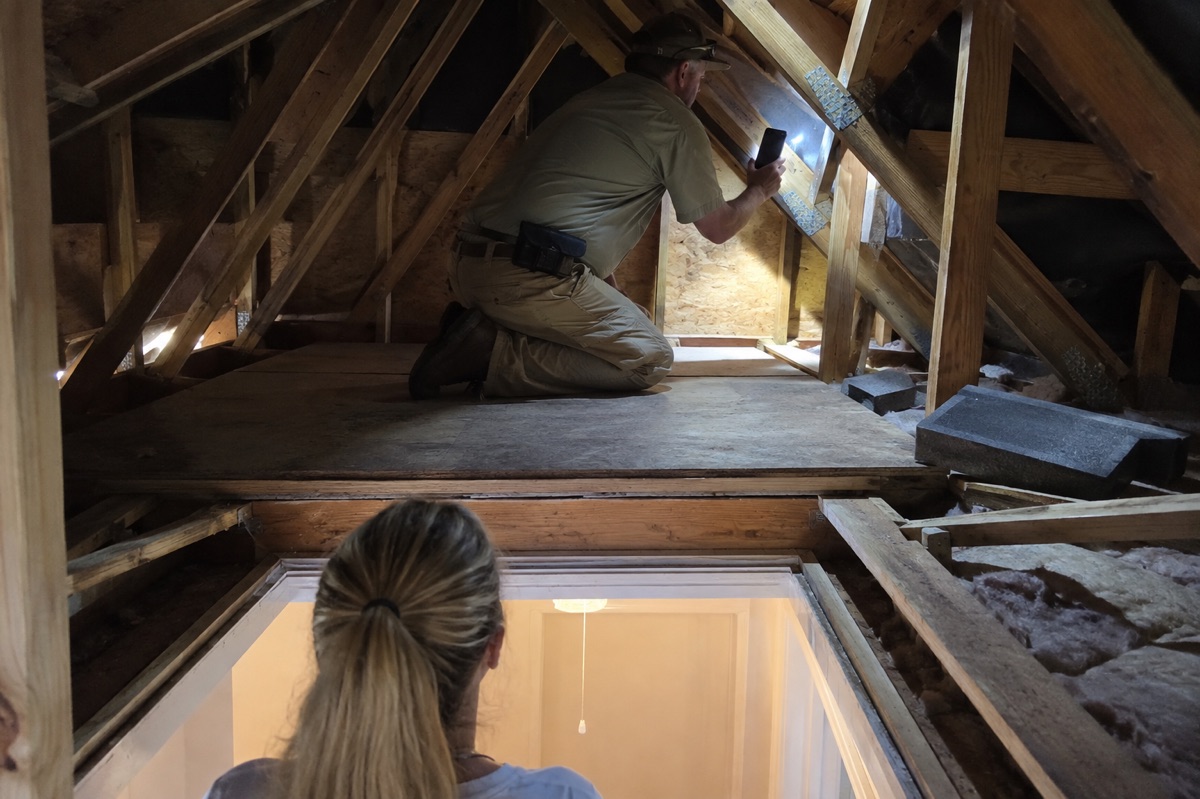
For a Florida wind mitigation inspection, gather your roof and opening records before the visit. Use the current OIR-B1-1802 form, revised April 2026. Let the inspector handle roof and attic access. Your job is to provide proof and ask questions, not to guess which boxes earn an insurance discount.
Confirm the form and the person doing the work
Florida's insurance regulator says the revised form took effect April 1, 2026. Ask which version the inspector will use. If you have an older report, ask your insurer whether it still accepts it.
The person must be qualified to sign the form. Florida law lists several paths. They include certain licensed home inspectors with added training, building code inspectors, engineers, architects, and general, building, or residential contractors.
Do not assume any roofer's license is enough. Ask for the name, license type, number, and any required training. Check the record using our license guide. Ask who will visit and who will sign if those are different people.
Know what the 2026 form covers
The revised form has nine numbered sections. These cover:
- The building code used for the home.
- The home's region and wind design details.
- Roof slope.
- Roof covering.
- How the roof deck is fastened.
- How the roof is tied to the walls.
- Roof shape.
- A sealed roof deck or secondary water barrier.
- Protection at windows, doors, and other openings.
These are inspection fields, not nine promised discounts. The Citizens form-change bulletin explains new fields and added proof, including FORTIFIED roof details. More boxes on the form do not by themselves mean a lower bill.
Build a small proof folder
Gather records you already have. Do not climb onto the roof or take panels apart to find a label.
Useful items to ask the inspector about include:
- The prior wind report and its photos.
- Roof permits and final inspection records.
- Roof contracts, invoices, and product details.
- Photos taken by the crew during past roof work.
- Window, door, garage door, and shutter approvals.
- Any current FORTIFIED certificate for the home.
Label each record with what it shows. For example, a roof invoice may name the covering but not prove how the deck was fastened. Let the inspector decide what evidence is enough.
If something is missing, ask who may hold it. The installer or local building office may have records. Do not edit an old report to fill a gap.
Map the openings without guessing the score
Make a list of windows, doors, garage doors, and skylights. Note the product records you have for each. Include small or hard-to-see openings; do not focus only on the front of the house.
The current form treats glass openings and openings without glass separately. It uses the weakest glass-opening protection for one part and separate non-glass ratings for another. Damage and missing proof can affect the result.
So “one unprotected opening means no credit at all” is too broad. Roof features are separate too. Ask the inspector to explain the actual entries, then ask your insurer about the price effect.
If you are choosing new products, our screens and shutters comparison helps you ask for the exact approval and mounting plan.
Make access safe and leave the inspection to the pro
Tell the inspector about leaks, loose ceilings, pests, or a damaged attic hatch before the visit. Clear a floor-level path only if it is safe. Do not move stored items in an unsafe attic or climb up to prepare a photo.
Ask the inspector what access is needed. A blocked or unsafe area may mean some features cannot be verified. That is better than a guess or a fall.
Do not remove a roof fastener, wall finish, or shutter part to prove a feature. If more access or tests are needed, agree on a safe, qualified next step.
Review the report and ask the insurer for the result
Check the address, dates, product details, and photos. Ask about any item that conflicts with your records. Request a supported correction from the inspector rather than changing it yourself.
OIR says reports are valid for up to five years if there are no material changes or inaccuracies. New roof work or changed openings may call for an update. Ask the insurer; do not treat five years as an unconditional guarantee.
Finally, request the insurer's written response and revised premium, if any. Compare that with the cost before ordering upgrades just for credits. If you want grant help, read the My Safe Florida Home sequence first. A wind report is not a grant approval.
Quick answers
- Which wind inspection form is current in Florida?
- OIR-B1-1802, revised April 2026, took effect April 1, 2026. Ask the inspector to use the current form. Ask your insurer if an older report is still valid for your home.
- Does one unprotected door wipe out every wind discount?
- No. The form has several separate roof and opening features. Its opening section rates glass openings and non-glass openings separately. Your insurer applies credits from the documented results.
- Is a wind report always valid for five years?
- No. OIR says it is valid for up to five years if there are no material changes or inaccuracies. Tell your insurer about changes and ask whether a new report is needed.
Keep your home plan moving
Get the free Seasonal Home Maintenance Schedule
A seasonal checklist for your roof, gutters, HVAC and more, plus practical homeowner tips. Adjust the schedule for your climate and equipment.
We don't sell your email address. See our privacy policy.
Sources
- Wind mitigation resources — Florida Office of Insurance Regulation
- Uniform Mitigation Verification Inspection Form: Rev. 04/26 — Florida Office of Insurance Regulation
- March 19, 2026 form-change bulletin — Citizens Property Insurance Corporation
- 2026 Florida Statutes: mitigation inspectors — Florida Senate