Home › Advice › A Seasonal Home Care Plan You Can Keep
A Seasonal Home Care Plan You Can Keep
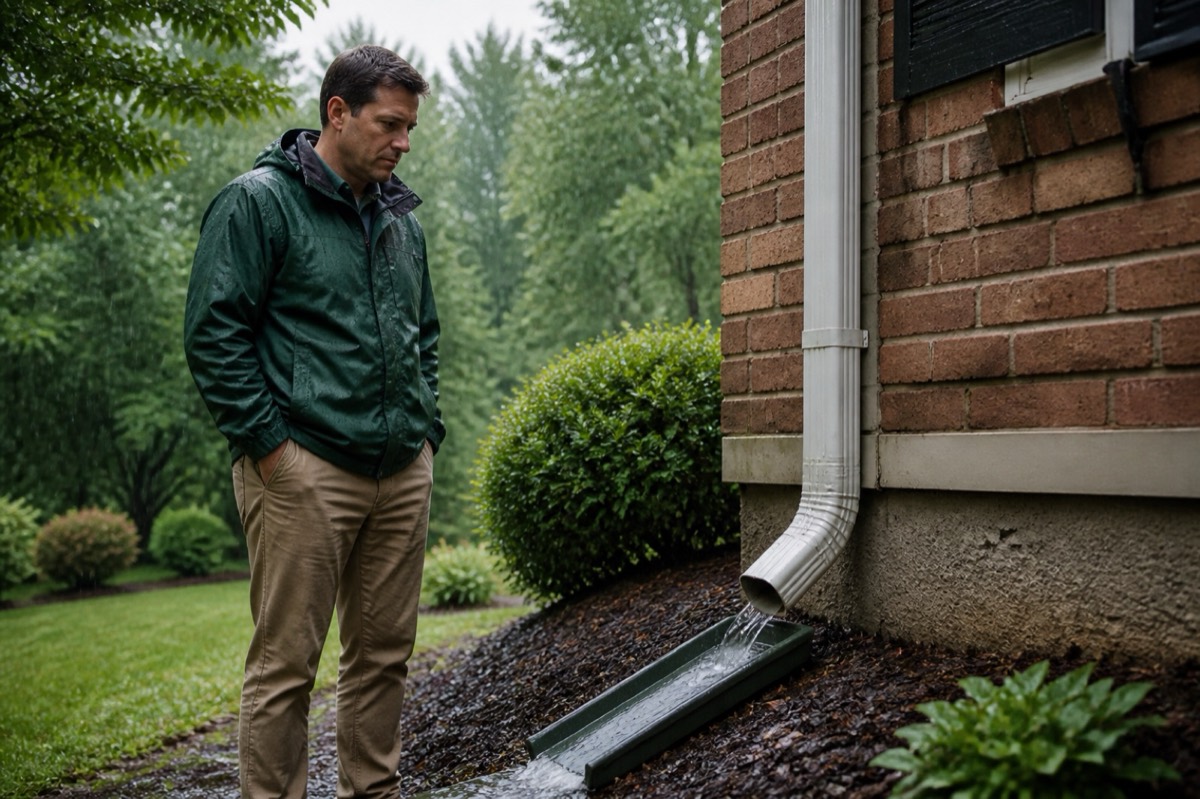
A useful home care plan tells you what to check, what changed, and who should act. Start with a short monthly list. Add seasonal jobs that fit your climate and equipment manuals. You are building a record, not trying to become the home's roofer, electrician, and repair crew.
Use three labels for what you find
Give each finding one label:
- Act now: active damage or a safety hazard.
- Watch: a nonurgent change with a photo and recheck date.
- Plan: a service task or repair to quote before it becomes urgent.
For smoke, fire, gas odor, a carbon monoxide alarm, or collapse risk, leave and call for emergency help. Keep away from wet electrical parts and sewage. Do not work through a checklist during danger.
For a planned task, name the next person and date. “Ask the plumber about the worn valve on Friday” is more useful than “check plumbing someday.”
Do a small monthly reset
Look for new water under sinks and around toilets or the water heater. Check only from dry, safe places. EPA WaterSense also recommends watching water use for unexplained changes.
Check the HVAC filter using the size and fit guide. Follow the manual's shutdown and access steps.
Test alarms each month as directed. Use the smoke and CO checklist to track models and replace-by dates. Do not wait for a low-battery chirp to notice an expired unit.
Clean the dryer lint filter before and after each load. That is an every-use task, not a monthly one. USFA's dryer guidance also calls for checking the vent path.
Before warm weather, prepare cooling and drainage
ENERGY STAR recommends yearly pre-season HVAC service. Book the cooling visit before local peak heat. Move the timing if your climate calls for it.
From safe spots, look for water around the unit or below visible drain lines. Do not bypass a float switch, open panels, or work on refrigerant lines.
After rain has passed and it is safe outside, look for puddles, erosion, or water heading toward the home. Do not walk outside during lightning, high wind, or flooding. Use photos from a safe indoor spot if needed.
Arrange help for high gutters or blocked roof drains. Our gutter guide helps you follow the water from the ground.
Before storm season, make a people-first plan
Use NOAA's hurricane preparation guidance where hurricanes are a local risk. Check evacuation plans and needed supplies before a warning.
From the ground, photograph the home's outside and any visible roof change. Do not climb onto the roof or enter an unsafe attic. Have risky trees checked by a qualified tree worker, especially near power lines.
If you have storm panels or shutters, plan a safe practice with the maker's directions. Make sure the right person knows where parts and keys are kept. A window product is not a substitute for following evacuation orders.
Before cold weather, check heat and water plans
Book heating service before the first cold spell if that applies locally. Check alarm coverage before using fuel-burning heat. Leave gas controls and inside service work to qualified people.
Review your main water shutoff plan. Ask the local utility about freeze protection for your setup. Do not use a flame to thaw pipes.
Keep stored items away from heat sources by the maker's required distance. If a room or appliance develops a new smell, noise, leak, or trip, treat it as a finding to act on, not a normal part of winter.
After a storm or repair, make a focused recheck
Do not wait for a monthly date after known damage. Once authorities say access is safe, note new stains, loose parts, or water paths from the ground or safe rooms.
Ask any repair crew what the homeowner should watch next. Get the answer in writing. Do not open the finished work to prove it yourself.
Add the cause, repair, cost, permit, and warranty to the home file. Keep photos taken by the crew; they may show details you cannot safely see later.
End the year with one short plan
Keep model numbers, receipts, service notes, photos, and emergency contacts together. Back up the file where a damaged phone or home will not be your only copy.
Pick the three most useful jobs for the next season. For each, list the reason, budget to investigate, and decision date. Do not create a fake deadline to make a minor task seem urgent.
The plan works when it helps you spot a change, make a safe next move, and close the record. It does not need a job for every day.
Quick answers
- What should I check each month?
- Use a short list for visible leaks, the HVAC filter, alarm tests, and new changes in sounds, smells, or bills. Clean the dryer lint filter each load, not just monthly. Follow each model's care rules.
- Do the seasonal months fit every home?
- No. Move tasks to fit local heat, cold, storm seasons, and the equipment manual. This is a planning template, not a universal service schedule.
- Which jobs should I leave to a professional?
- Use qualified help for roof access, high gutters, unsafe attics, electrical or gas work, refrigerant work, and tasks beyond the maker's safe owner steps. Stop for alarms, smoke, gas, sparks, sewage, or collapse risk.
Keep your home plan moving
Get the free Seasonal Home Maintenance Schedule
A seasonal checklist for your roof, gutters, HVAC and more, plus practical homeowner tips. Adjust the schedule for your climate and equipment.
We don't sell your email address. See our privacy policy.
Sources
- Home maintenance — U.S. EPA WaterSense
- HVAC maintenance checklist — ENERGY STAR
- Smoke alarms — U.S. Fire Administration
- Clothes dryer fire safety — U.S. Fire Administration
- What to do before a hurricane — NOAA National Weather Service