Home › Advice › Appliances › Dryer Taking Too Long? Check the Safe Basics
Dryer Taking Too Long? Check the Safe Basics
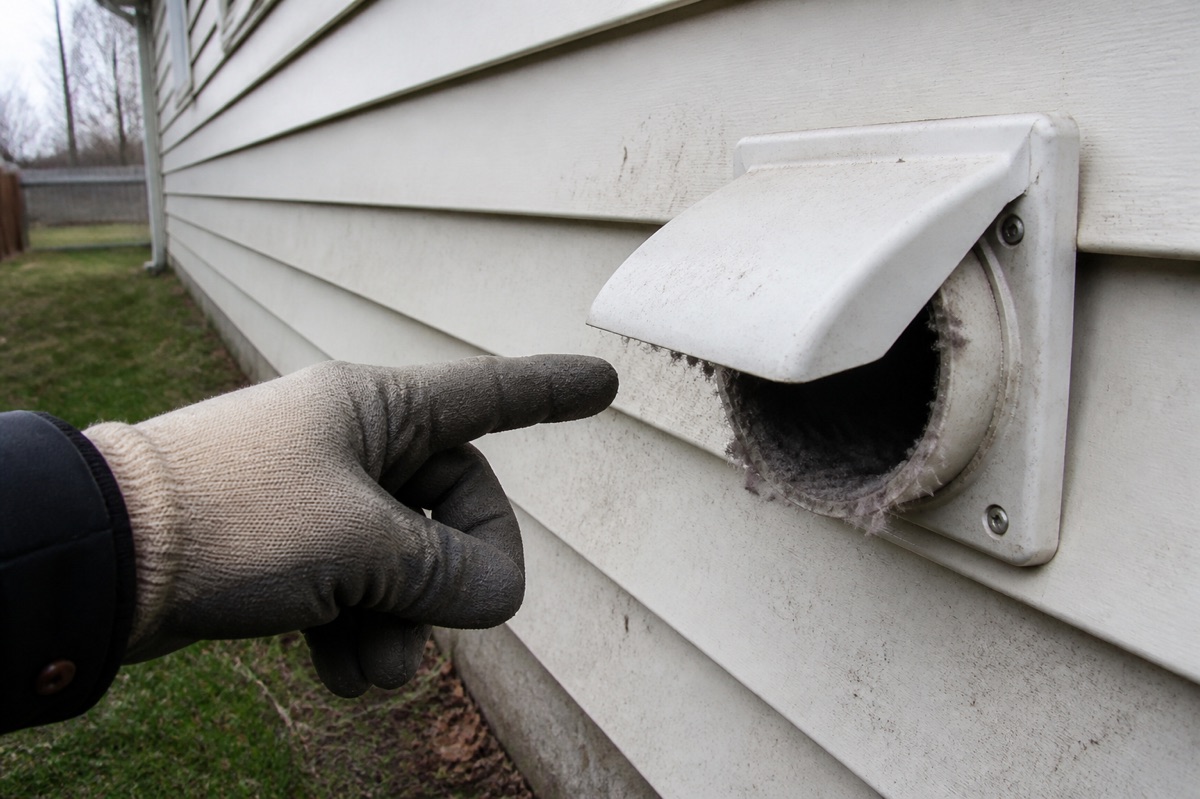
A dryer that suddenly takes longer needs attention, especially if clothes are very hot or there is a new smell. Stop for signs of heat damage, smoke, gas, or an electrical fault. If there are no hazards, check the load, lint filter, and visible vent path. Do not keep adding cycles while guessing at the cause.
Know when to stop and leave
Stop using the dryer for a burned smell, scorching, sparks, unusual heat, or a damaged plug or outlet. Do not pull a plug that is hot, wet, loose, or damaged.
For smoke, fire, gas odor, or a carbon monoxide alarm, get everyone outside. Call emergency services or the gas utility from outside as appropriate. Do not operate switches if you smell gas.
A gas dryer can be a CO source if it is not working properly. Follow CPSC's CO response advice. Do not stay inside to find the source.
Record the load before blaming a part
With the dryer stopped, write down what was different:
- Fabric and load size.
- Whether the washer left clothes wetter than usual.
- The chosen heat or sensor setting.
- Usual cycle time and the recent longer time.
- Whether clothes were damp, very hot, or both.
- Any recent dryer move or vent work.
Check the manual's load and cycle advice. A large load or wrong setting can affect drying. But that does not rule out a vent or machine fault.
Do not start another cycle just to collect a missing detail. An approximate time is useful if you label it as an estimate.
Clean the lint filter as the manual directs
USFA says to clean the lint filter before and after each cycle. Do not run the dryer without it.
Use the normal owner-accessible filter. Check that it is intact and seats as designed. Follow your manual for any washing step; do not guess that every filter can be cleaned the same way.
Do not reach deep into a powered machine with a brush or makeshift tool. If the filter slot needs work beyond the manual's owner steps, ask for service.
Look at the vent without moving the dryer
From a safe spot, look for a duct that is crushed, torn, loose, or squeezed against the wall. USFA calls for checking this vent path and having the dryer installed and serviced by a professional.
Do not pull a heavy dryer to gain access. Do not disconnect a gas line or open the appliance. Hidden ductwork, attic access, and roof vents belong with a qualified crew.
Keep the exhaust routed as the maker and local rules require. Do not vent it into the room as a temporary fix for a blocked duct.
Check the outdoor cover only from a safe spot
During normal safe use, USFA says the outside vent cover should open. If you already saw it fail to open, record that. Do not run a suspect dryer just to watch the cover.
Look from the ground for lint, a nest, snow, or damage. Do not climb or put your hand into an operating vent. Do not remove a nest or wildlife without checking the right local guidance.
A weak flow is a reason for a full check, not proof of where the blockage is.
Book service if the cause is still unclear
Ask the service company to check both the dryer and the full exhaust path. Tell it about every stop sign, even if it went away.
Request a written explanation of what was found, what was cleaned or repaired, and whether the setup meets the model's requirements. Ask for the safe next-use steps.
If a breaker has tripped, follow our breaker safety guide instead of repeated resets. Keep your smoke and CO alarms in service too.
Make the next check part of normal use
Clean the filter each load and stay home while the dryer runs. Fairfax County Fire and Rescue advises turning dryers off when you leave or go to bed.
Add the service date and model-specific vent care to your home care plan. Keep the note short: what changed, what was fixed, and when to check again. Slow drying should prompt a cause check, not become the new normal.
Quick answers
- Can I keep running a dryer that smells burned?
- No. Stop using it. Leave and call emergency services for smoke, fire, gas odor, or a CO alarm. Do not touch a hot or damaged plug to disconnect it.
- What can I safely check myself?
- Clean the owner-accessible lint filter as the manual directs. From safe spots, look for a crushed visible duct or blocked outdoor cover. Do not move a heavy dryer, open panels, or disturb gas lines.
- Does a slow cycle prove the vent is blocked?
- No. Load size, wet clothes, settings, airflow, and appliance faults can all matter. If safe basic checks do not explain it, have the appliance and full exhaust path checked.
Keep your home plan moving
Get the free Seasonal Home Maintenance Schedule
A seasonal checklist for your roof, gutters, HVAC and more, plus practical homeowner tips. Adjust the schedule for your climate and equipment.
We don't sell your email address. See our privacy policy.
Sources
- Dryer safety tips — Fairfax County Fire and Rescue
- Clothes dryer fire safety — U.S. Fire Administration
- Appliance and electrical fire safety — U.S. Fire Administration
- Carbon monoxide questions and answers — U.S. Consumer Product Safety Commission