Home › Advice › Pests › Rodent Droppings: Wet Cleanup, Not a Broom
Rodent Droppings: Wet Cleanup, Not a Broom
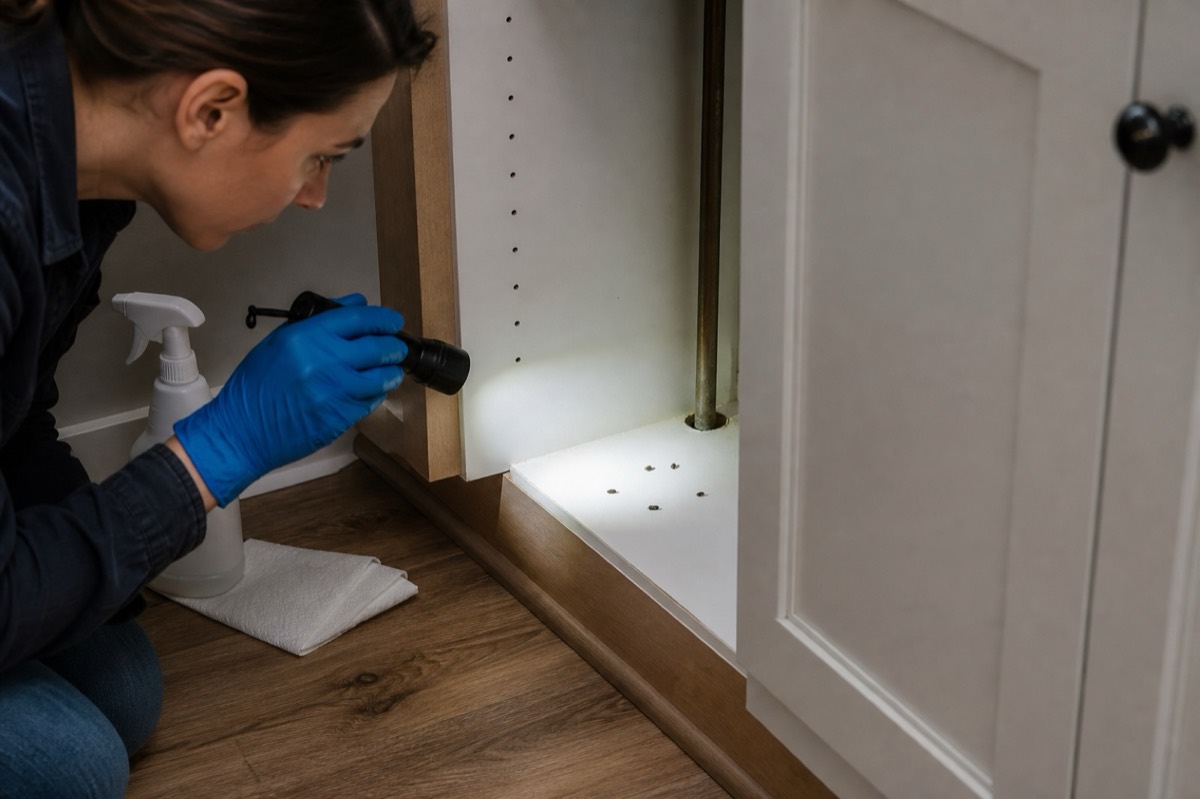
Do not sweep or vacuum rodent droppings dry. Wet cleanup reduces the risk of putting contaminated material into the air. For a small, reachable area, follow CDC's steps below. Heavy infestations, air ducts, and unsafe spaces need qualified help. Do not enter an attic or crawl space just to find out how bad it is.
Decide whether this is a small cleanup
Keep children and pets away. From a safe place, note where you found the waste and how much is visible. A few droppings on a hard floor are not the same job as waste throughout insulation.
Use a pest or cleanup professional for widespread waste, many dead rodents, duct contamination, or a space you cannot enter safely. Ask the local health department about special health risks or an unclear situation.
If someone gets ill after rodent exposure, tell a health professional about it. This guide is for a limited household task, not a workplace or heavy-infestation cleanup plan.
Ventilate before you start
For homes and outbuildings, CDC says to open doors and windows for 30 minutes. Leave the area while it airs out. Do not aim a fan at dry droppings.
If you cannot open the area safely, stop and get help. Do not climb across waste or enter a hot, cramped space to reach a window.
Use the waiting time to set out supplies in a clean spot. Decide where waste will go so you will not carry dripping towels through the house.
Read the product label before wetting anything
Wear rubber or plastic gloves. Use an EPA-registered disinfectant suitable for the surface, or follow CDC's current bleach method. Do not guess a mixture or make it stronger.
EPA's safe-use advice says to follow the label and not mix products unless directions allow it. Never mix bleach with ammonia or other cleaners. Follow the label's ventilation and protective-gear rules.
Keep the product bottle with you so you can check its contact time. Put your phone and clean towels outside the work area before your gloves get dirty.
Wet, wait, wipe, then clean the surface
CDC's household sequence is:
- Put on rubber or plastic gloves.
- Wet urine and droppings thoroughly with disinfectant.
- Wait five minutes or the contact time on the product label.
- Wipe up with paper towels.
- Put used towels in a covered trash can that is emptied often.
- Disinfect the hard surface.
Keep the area wet for the label's required time. Do not rush the wait because the waste looks gone.
Dead rodents and nests have a separate CDC disposal step: wet them, wait, then seal them in two bags. Follow local waste rules. For a job you cannot handle safely, leave it to a professional.
Finish without spreading waste to clean surfaces
Before removing gloves, wash gloved hands with soap and water or disinfectant. Then remove them and wash bare hands with soap and warm water.
Avoid touching taps, door handles, or a phone with dirty gloves. Set up the task so clean supplies stay clean. If you touch something by mistake, add it to the surface-cleaning plan.
Do not assume a wipe makes a rug, paper box, or stored clothes safe. CDC gives separate methods for porous items. Use those directions or get help rather than treating every material like a tile floor.
Find the entry problem after cleanup
Cleanup does not keep rodents out. CDC's seal-up guide points to gaps around pipes, doors, vents, and other openings. It also calls for sealed food and trash.
Use our mouse entry checklist for safe, reachable observations. Take photos of gaps rather than reaching into a wall or roof space. Have a pest professional plan trapping and repairs when needed.
Keep food, pet food, and trash closed. Fix leaks that provide water. The hidden-leak guide can help when water use is unexplained.
Save a short follow-up record
Write the cleanup date, exact location, and any entry gap found. Add a photo after cleanup so a later change is easier to spot.
Put a follow-up check in your home maintenance record. New droppings mean the cause still needs attention. Do not respond with a dry vacuum or stronger chemicals.
Quick answers
- Can I sweep or vacuum dry mouse droppings?
- No. CDC says not to sweep or vacuum rodent urine, droppings, or nesting material. Wet the material with the approved disinfectant method before removal.
- How long should I wait before wiping up wet droppings?
- CDC says five minutes or the time in the disinfectant label instructions. Keep the material wet for the required time. Do not shorten the label's contact time.
- How do I wash after cleanup?
- Wash gloved hands with soap and water or disinfectant before taking gloves off. Then wash bare hands with soap and warm water. Keep dirty gloves away from your face, phone, and clean supplies.
Keep your home plan moving
Get the free Seasonal Home Maintenance Schedule
A seasonal checklist for your roof, gutters, HVAC and more, plus practical homeowner tips. Adjust the schedule for your climate and equipment.
We don't sell your email address. See our privacy policy.
Sources
- How to clean up after rodents — Centers for Disease Control and Prevention
- How to seal up to prevent rodents — Centers for Disease Control and Prevention
- Safe disinfectant use — U.S. Environmental Protection Agency