Home › Advice › Hidden Leak? Try a Two-Hour Water-Meter Check
Hidden Leak? Try a Two-Hour Water-Meter Check
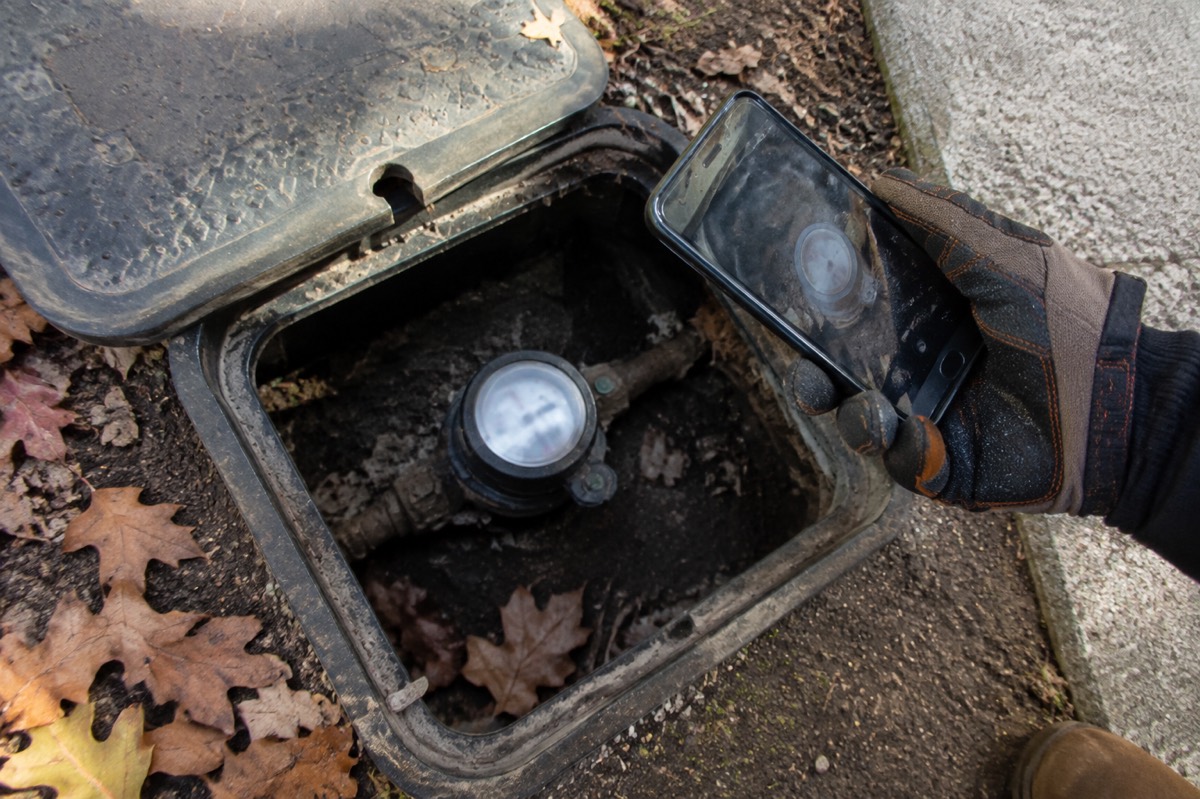
A two-hour water-meter check can show whether water moved while the home was meant to be using none. Read the meter, stop all water use, then read it again two hours later. A change can point to a leak, but it does not locate one. First rule out forgotten or automatic water use.
Do not wait two hours during active damage
Skip the test if water is spreading fast, reaching electricity, or causing a bulging ceiling. Keep people away and get help. Do not enter a flooded crawl space or touch a wet outlet or panel.
If safe, follow your confirmed main shutoff plan. Call the utility or plumber if you cannot stop the source safely.
This meter check is for a high bill, an unexplained sound, or another nonurgent concern. It is not an emergency response or a reason to wait on a visible leak.
Set a real no-use window
EPA WaterSense recommends comparing readings over two hours without water use. Make a plan with everyone at home first.
Check for things that could use water without a person turning a tap:
- Ice makers.
- Dishwashers and clothes washers.
- Irrigation and pool fill systems.
- Water softeners that run on a schedule.
- Humidifiers or other automatic equipment.
- A toilet still refilling from its last flush.
Use normal owner controls only. Do not disable fire sprinklers, needed medical equipment, or another safety system for this test.
If you cannot control or account for use, choose another time or ask the utility about a different check. An interrupted test is not a confirmed leak.
Read the meter using your utility's instructions
Ask the utility how to read your type of meter. It may be indoors, in an outdoor box, or shown through a remote display. A web portal may update later than the meter itself.
Do not force a lid, reach into an unsafe box, or operate a utility valve. Watch for traffic, insects, sharp edges, and heavy covers. Get help if access is not safe.
Record the full reading, the unit, and the exact time. Take a photo if it is safe. Note whether there is a separate irrigation meter or a shared building meter. Those change what the reading can tell you.
Compare the readings without turning them into a guess
At the end of the two hours, read the same display again.
- No change: no change was detected during this window. A leak that comes and goes is still possible.
- A change: confirm that no person or device used water. If none did, a leak is likely.
- Unclear digits or update timing: ask the utility how to repeat the check correctly.
Do not turn a tiny display change into a dramatic monthly cost estimate. Units, rounding, timing, and intermittent use can mislead you.
Keep both readings, even if the test was interrupted. Label what went wrong so no one treats the result as stronger evidence than it is.
Look for reachable clues, not hidden pipes
From dry, safe areas, listen for a toilet that refills by itself. Look under sinks and near visible hoses. Check outdoor taps and irrigation areas from the ground.
EPA also describes a toilet dye check. Follow its directions and flush after the test to avoid staining. Do not add chemicals or open plumbing based on a guess.
Do not cut walls, dig, or crawl under the home to follow the meter. If there is a musty smell but no visible source, use our moisture clue guide.
Send a small evidence file to the right person
Give the utility or plumber:
- The two readings, units, photos, and times.
- Which automatic devices were paused.
- Any known water use during the test.
- Recent bills and a same-season comparison.
- Locations of sounds, stains, or damp soil.
- Any alert from a leak-monitoring device.
EPA's monitoring-device guide describes tools that can flag unusual use. An alert still needs a cause check. Do not assume it names the failed pipe.
Record the result and the next check
After repair, ask whether to repeat the meter test and under what conditions. Keep the result with your home maintenance plan.
If the bill stays high, ask the utility to explain its reading dates and meter data. The useful outcome is a verified cause or a clear next test, not just a lower number for one afternoon.
Quick answers
- How does the two-hour meter check work?
- Read the meter, use no water for two hours, then read it again. A change may show a leak, but first rule out people, appliances, irrigation, and other automatic use.
- Does a still meter prove there is no leak?
- No. The check only covers that time window and water measured by that meter. An intermittent leak may not occur during the test.
- Should I turn the meter valve to find the leak?
- Do not operate utility-owned valves unless the utility allows it and provides instructions. A plumber or utility can guide any further isolation test. Do not force valves or heavy lids.
Keep your home plan moving
Get the free Seasonal Home Maintenance Schedule
A seasonal checklist for your roof, gutters, HVAC and more, plus practical homeowner tips. Adjust the schedule for your climate and equipment.
We don't sell your email address. See our privacy policy.
Sources
- Fix a Leak Week — U.S. EPA WaterSense
- Home maintenance — U.S. EPA WaterSense
- Leak detection and flow monitoring devices — U.S. EPA WaterSense