Home › Advice › Heating & Cooling › HVAC Filters: Check Size, Arrow, and Fit
HVAC Filters: Check Size, Arrow, and Fit
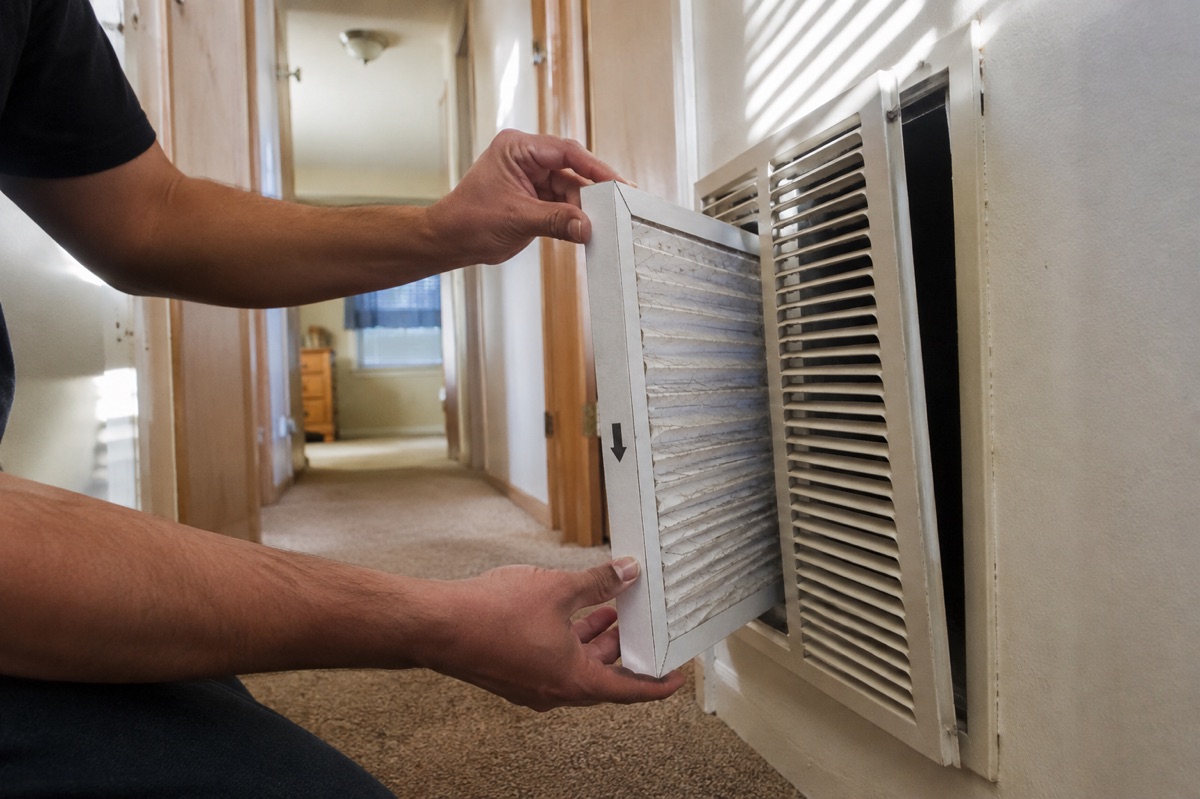
Before changing an HVAC filter, confirm its location, size, airflow direction, and allowed type. Then shut the system down as its manual directs. A clean filter that is the wrong size or too restrictive can still cause trouble. This guide is for a safe owner-serviceable slot or grille, not work inside a blower cabinet.
Find the right manual and filter location
Use the equipment model number to find the maker's owner guide. If you cannot safely read the label, use your invoice or ask the service company. Do not open a service cover just to find a number.
Filters may sit at a return grille, a slot by the unit, or a separate cabinet. Some homes have more than one location. Do not assume every grille needs a filter or add a second filter by guesswork.
Carrier's replacement guide shows common layouts. Your own model's directions control the actual steps.
Shut down before handling the filter
Follow the manual's normal shutdown method. A thermostat setting is not permission to reach near wiring or a fan. If safe filter access requires tools, a high climb, or an unclear cover, ask a technician to show you.
Stop for water near electricity, a burning smell, sparks, or damaged wiring. Leave for smoke, fire, gas odor, or a CO alarm and get emergency help.
For a tripped circuit, use the breaker guide. Do not reset it as part of a routine filter change.
Record the size and rating before shopping
Take a photo of the old filter and its slot. Note the printed size and any actual dimensions on the label. Printed or “nominal” size can differ from the measured size.
Check the required size in the equipment or filter cabinet instructions. The old filter is a clue, not proof that the last person chose correctly.
Make a reorder note with:
- Equipment and filter cabinet models.
- Filter location.
- Required size and allowed type.
- Rating approved for the system.
- Date fitted.
- Photo of a correct fit.
Do not bend, crush, stack, or force filters to fill a gap. If air can go around the frame, ask whether the filter or cabinet is wrong.
Follow airflow, not a fixed up-or-down rule
The arrow should point with airflow toward the blower. The direction depends on the layout. Use the manual and any confirmed markings on the housing.
Do not blindly copy the old filter's direction. If you cannot confirm the air path, have the service company mark it during a visit.
Slide in the correct filter and secure the owner-access cover as directed. Do not restart until it is in place. Never run without a filter unless the maker specifically instructs that for your setup.
Check condition on a regular schedule
ENERGY STAR recommends a monthly filter check. Replace a dirty filter using the schedule and condition rules for your type. More dust, pets, or longer run time may change how fast it gets dirty.
Disposable and washable filters are not the same. Clean only a type the maker says is reusable. Follow its cleaning and drying steps. Do not put a wet filter back into the system.
Write the date on your record. That lets you compare the same filter over time instead of guessing from color alone.
Do not choose a higher rating without checking airflow
Filter ratings describe what particles a filter can catch. They do not tell you whether your blower and ducts can handle it.
The EPA air-cleaner guide advises choosing a filter the system can support. Ask a technician about the allowed rating and pressure drop if you want better filtration.
A new filter is not a cure for all indoor air problems. For smoke or health concerns, consider the whole plan with the right professional, not just a number on a box.
Keep unusual findings for the service call
Call if the filter is wet, bent inward, loose, or gets dirty far faster than usual. Also report ice, weak airflow, or repeated shutdowns.
Use our AC symptom checklist to record what else changed. Add the filter task to your home care schedule.
Save a photo before you discard a damaged filter. Ask for a written explanation of the cause and the correct replacement. A clear size-and-fit record can make the next change much easier.
Quick answers
- Which way should the filter arrow point?
- It should point in the direction air flows, usually toward the blower. That is not always up, down, left, or right. Confirm the direction from your system's manual.
- Can I wash a disposable filter?
- No. Only clean a filter that its maker identifies as reusable or washable, and follow that method. Let a washable filter dry as directed before putting it back.
- Is a higher filter rating always better?
- No. The filter must fit the system's airflow limits. Ask the equipment maker or HVAC technician which rating and size the system supports. Do not choose on the rating alone.
Keep your home plan moving
Get the free Seasonal Home Maintenance Schedule
A seasonal checklist for your roof, gutters, HVAC and more, plus practical homeowner tips. Adjust the schedule for your climate and equipment.
We don't sell your email address. See our privacy policy.
Sources
- Air filter replacement — Carrier
- HVAC maintenance checklist — ENERGY STAR
- Guide to air cleaners in the home — U.S. Environmental Protection Agency