Home › Advice › Hiring Contractors › What the Home Inspection Didn't Catch: 4 Problems Found After Closing
What the Home Inspection Didn't Catch: 4 Problems Found After Closing
A standard home inspection is a limited, visual check. The inspector reports what they can safely see and reach. Lawn sprinklers, the buried sewer line, the pool, and the layers under a new roof are usually outside it. One buyer learned that after closing on a Florida home. This case file shows the four problems, why a standard check can miss them, and what a buyer can order before the inspection deadline.
About this story
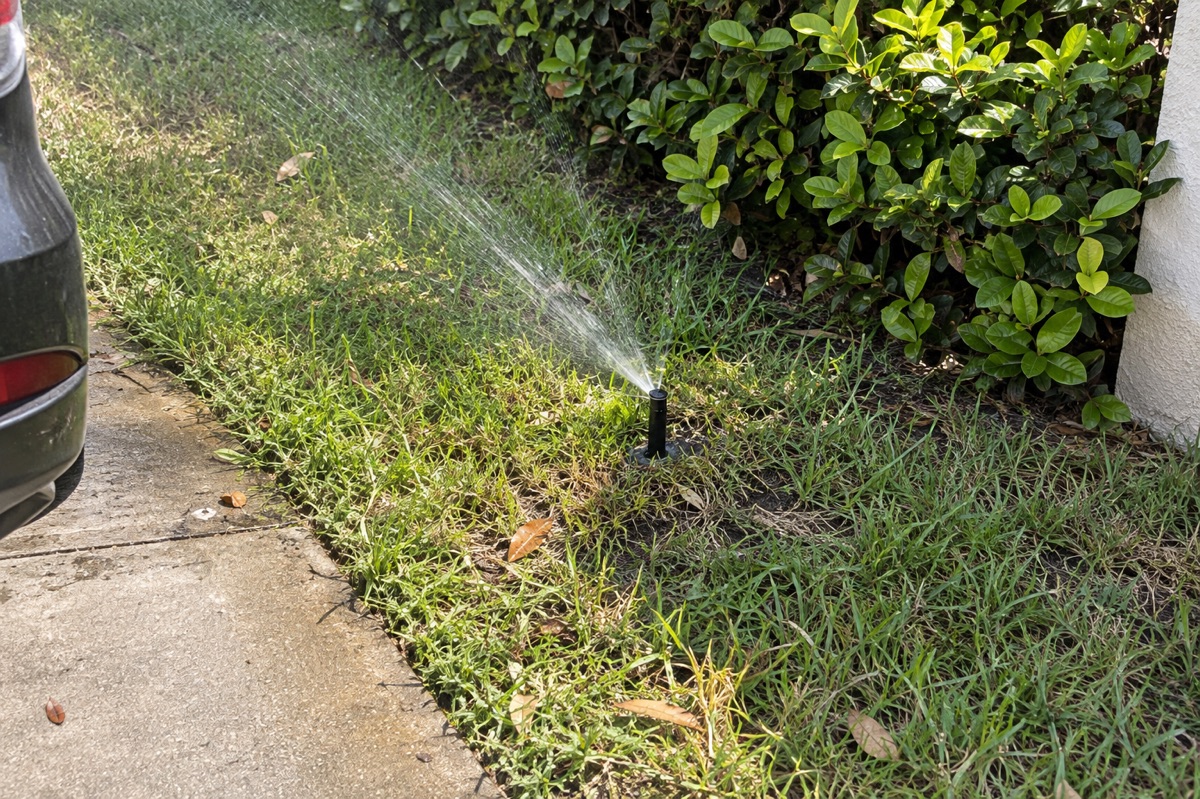
Mark Phaneuf, our publisher, shared this account on September 28, 2026. It happened to someone he knows who recently bought a Florida home. The homeowner agreed to let us share it. This is a secondhand account, and we have not verified it. We did not inspect the house or read the inspection report. We are not judging the inspector's or the roofer's work. Each problem below involves something a standard inspection skips or checks only from the surface. Details that could point to the home, the inspector, or the roofer are left out on purpose. The photo is an editorial image, not the home in this story.
What a standard inspection is
Two national standards and Florida law describe the job in similar words. The inspector looks at readily accessible, installed systems. That means parts they can see and reach without taking things apart. The report covers what looks wrong that day. Florida law calls it a limited visual exam.
ASHI's standard says an inspection is not technically exhaustive. It does not have to find hidden problems. InterNACHI's standard says the same. So a clean report does not mean the sprinklers, the buried sewer line, or the pool were checked.
The sprinklers were not checked
Reported: The sprinkler system was not checked before closing. Some sprinkler heads were broken. The supply line that pulls water from the lake was cracked and leaking.
Why a standard check can miss it: ASHI says the inspector is not required to inspect landscape irrigation systems. InterNACHI lists lawn sprinkler systems under things the inspector need not inspect. Florida's plumbing rule for home inspectors also leaves out irrigation systems.
What to add: Ask the seller to run every zone while you watch, or hire a sprinkler company to do it. UF/IFAS says to make sure all heads work and to fix leaking lines. If the pump draws from a lake, a pond, or a well, ask who last checked the pump and the intake line. Get the answers in writing.
The tubs backed up
Reported: When several people showered, water came back up out of the tubs. The main drain line was clogged.
Why a standard check can miss it: Inspectors run water at fixtures and check that sinks, tubs, and showers drain. They are not required to inspect buried lines. ASHI lists underground items. InterNACHI lists underground utilities. A camera check of the sewer line is called a sewer scope. InterNACHI says it is an add-on service, not part of its standard inspection.
The pipe from the house to the street is called the lateral. Local rules say which part is yours. Pinellas County, Florida, for example, says owners must maintain the line from the home up to their property line. Its video checks look for cracks, roots, sags, and shifted pipe.
What to add: Order a sewer scope from a plumber or an inspector who offers it. Ask for the video and a written note of what they saw. Ask them to run two or three fixtures at the same time while they watch the lowest tub or drain. They should stop the water at the first sign of backup. If wastewater ever comes up a drain after you move in, stop using water and follow the sewer backup steps. Do not touch it. EPA says sewage carries bacteria, viruses, and parasites.
The skylights leaked after the new roof
Reported: The roof was replaced before the sale. Around the skylights, the roofers used roofing tar instead of proper flashing. Rain came in around the skylights.
Why a standard check can miss it: The standards do list flashing and skylights, but only what the inspector can see. InterNACHI lets the inspector look from the ground or the eaves. Florida's rule lets an inspector skip walking a roof that is unsafe or could be damaged. An inspector cannot see under the shingles. InterNACHI says the inspector need not confirm that roofing was installed right. A fresh roof can look perfect from the driveway.
What the code and the maker say: Florida's residential code requires flashing around roof openings. When a roof is replaced, it says flashings must be rebuilt to the maker's instructions or to a Florida roofing standard. VELUX, one skylight maker, says its flashing kits are "designed to shed water without relying on sealants that can break down over time." It also says the kits must be installed properly to get its warranty. We have not seen this roof, so we cannot say whether any rule was broken.
What to add: If the roof was replaced before the sale, ask for the permit number. Florida law requires a permit to repair or alter a building, with some exceptions. If there is no permit, ask why, and ask for any written exemption. The building code lists flashing as part of the roofing inspection. Look the permit up in the county or city permit portal. Ask whether every inspection passed and whether the permit is closed.
Then ask for the roofer's written warranty, the skylight brand, and the flashing kit used. In Florida, skylights fall under a roofing contractor's license. So a licensed roofer is the right trade to check the flashing. If water shows up after closing, use the roof leak first steps and stay off the roof.
A pool-deck drain that may go nowhere
Reported, not confirmed: After heavy rain, water sits on the paved pool deck. There is a drain in the deck, but it does not seem to connect to anything. Mark has not looked at it himself. Treat this one as a suspicion, not a finding.
Why a standard check can miss it: All three standards leave the pool out. ASHI skips what it calls recreational facilities, and its glossary puts swimming pools in that group. InterNACHI says the inspector is not required to inspect swimming pools or spas. Florida's exterior rule for home inspectors leaves out swimming pools. The standards do cover surface drainage that could harm the house, but only what shows that day. A dry day may show no standing water. ASHI and InterNACHI also skip underground items, so the inspector does not have to trace a buried drain pipe.
What to add: Order a separate pool inspection. InterNACHI's pool standard covers the deck, the equipment, and the safety barriers. It also covers drainage and grading that could harm the pool. It does not cover buried pipes. So tracing the deck drain is an extra request.
Ask the pool inspector or a licensed pool contractor to run a hose into the deck drain. Have them show you where the water comes out. If no one can say, write that into your repair request. Florida's building code for new homes says the ground must slope away from the foundation walls. That rule does not tell you whether this deck was built right. Still, ask where deck water goes and whether any of it runs toward the house.
Before closing: 10 things to ask for or test
- The inspector's license number. Florida requires a license to offer home inspection services. Check it with the license lookup steps.
- The written list of what the inspection did not include, and why.
- A sewer scope with the video and a written note.
- A drain test by the plumber or inspector, with two or three fixtures running at once while they watch the lowest drain. They stop at the first sign of backup.
- Every sprinkler zone run while you watch, with broken heads and leaks noted.
- The roof permit number, its inspection results, and whether it is closed. If there was no permit, the written exemption.
- The roofer's written warranty, the roof product, and the skylight flashing kit used.
- A separate pool and pool-deck inspection, plus someone who can show where the deck drain sends water.
- Ground-level photos of standing water after rain, if rain falls during your inspection period. Wait 30 minutes after the last thunder before you go out. Stay off a slick deck and back from the pool edge.
- One dated folder with every answer, video, and photo, saved before the deadline.
A short script for the repair request
Keep it plain and dated. Send it through your agent before the inspection deadline in your contract.
"During our inspection period we found [the problem] on [date]. The attached [report, video, or photo] shows it. We ask the seller to [have a licensed contractor repair it and provide the invoice] or [give a credit at closing] by [date]. Please confirm in writing."
Fill in only what you can show. Attach the record. Do not guess at a cost. Use a written estimate from a licensed contractor, or a sprinkler company for irrigation work. In Florida, the inspector who wrote your report may not offer to do those repairs. So the estimate comes from a different company.
A seller may agree, offer less, or say no. Your contract and state law decide what happens next. Ask your agent or a real estate attorney before the deadline passes. This article is not legal advice.
What not to do yourself
- Do not climb on the roof or a ladder to check skylight flashing. Even inspectors may skip walking a roof. Use ground photos and a licensed roofer.
- Do not open the electrical panel, the pool equipment, or the sprinkler pump and its controls. Leave that to the inspector and licensed trades.
- Do not touch or wade into water that came up a drain. It may hold sewage. CDC says floodwater can carry human waste, and the best protection is to stay out of it. If it touches you, wash with soap and clean water. Call your sewer utility and a plumber.
- Do not dig up sprinkler lines or the sewer line to look. A sewer camera and a sprinkler company can find a lot without digging.
If you already closed
This buyer found the problems after closing. If that is you, start with the report. See whether it listed the item, excluded it, or said nothing. Take dated photos before any repair. For contract or liability questions, talk with a real estate attorney. When you hire a repair, use the contract checklist to pin down the scope. If a roofer proposes new skylight flashing, use the roofing quote guide to compare bids on the same work.
The free House Decoder lists materials and systems that were common in homes built in a given year. Use it to build your question list. It is not an inspection, and neither is this article.
Quick answers
- Does a standard home inspection include the sewer line?
- Usually not. ASHI and InterNACHI standards exclude underground items, and InterNACHI says a sewer scope is a separate service. Ask for a camera inspection of the line from the house to the street before your inspection deadline.
- Is the inspector at fault when a problem shows up after closing?
- Not on its own. The standards say an inspection is not technically exhaustive and does not find concealed defects. Compare the problem with the report and the standard the inspector used. For contract or liability questions, talk with a real estate attorney.
- Can I still ask the seller for repairs after the inspection period ends?
- That depends on your contract and state law, not on this article. Ask your agent or a real estate attorney right away. Keep dated photos, videos, and written estimates from licensed contractors either way.
Keep your home plan moving
Get the free Seasonal Home Maintenance Schedule
A seasonal checklist for your roof, gutters, HVAC and more, plus practical homeowner tips. Adjust the schedule for your climate and equipment.
We don't sell your email address. See our privacy policy.
Sources
- Standard of Practice for Home Inspections (effective March 1, 2014) — American Society of Home Inspectors
- Home Inspection Standards of Practice (revised October 2022) — International Association of Certified Home Inspectors
- Sewer Scope Inspections for Home Inspectors — International Association of Certified Home Inspectors
- Standards of Practice for Inspecting Pools and Spas — International Association of Certified Home Inspectors
- 2026 Florida Statutes 468.8311 (home inspection services defined) — Florida Senate
- 2026 Florida Statutes 468.8319 (home inspector prohibitions) — Florida Senate
- Rule 61-30.806 Standards of Practice for the Plumbing System — Florida Administrative Code (Department of Business and Professional Regulation)
- Rule 61-30.810 Standards of Practice for Exterior Components — Florida Administrative Code (Department of Business and Professional Regulation)
- 2026 Florida Statutes 553.79 (building permits) — Florida Senate
- 2023 Florida Building Code Residential 8th Edition Chapter 9 (R903.2.1 and R908.6) — Florida Building Commission code text via UpCodes
- 2023 Florida Building Code Building 8th Edition Chapter 1 (105.1, 105.2 and 110.3) — Florida Building Commission code text via UpCodes
- 2023 Florida Building Code Residential 8th Edition Chapter 4 (R401.3 drainage) — Florida Building Commission code text via UpCodes
- 2026 Florida Statutes 489.105 (roofing and pool contractor definitions) — Florida Senate
- Skylight Flashing Systems — VELUX America
- Irrigation System Maintenance — UF/IFAS Gardening Solutions
- Private Sewer Lateral Video Inspection — Pinellas County, Florida
- Private Sewer Lateral Program Frequently Asked Questions — Pinellas County, Florida
- Rule 61-30.805 Standards of Practice, Roof Covering — Florida Administrative Code (Department of Business and Professional Regulation)
- Rule 61-30.811 Standards of Practice, Site Conditions that Affect the Structure — Florida Administrative Code (Department of Business and Professional Regulation)
- Preventing Stormwater Contamination from Sanitary Sewage (EPA-832-F-21-029F) — U.S. Environmental Protection Agency
- Sanitary Sewer Overflow (SSO) Frequent Questions — U.S. Environmental Protection Agency
- Overview: Lightning Safety — National Weather Service
- Safety Guidelines: Floodwater — Centers for Disease Control and Prevention