Home › Cost Guides › Roofing Costs › Slate Cost
Slate Roof Cost Factors & Quote Planning
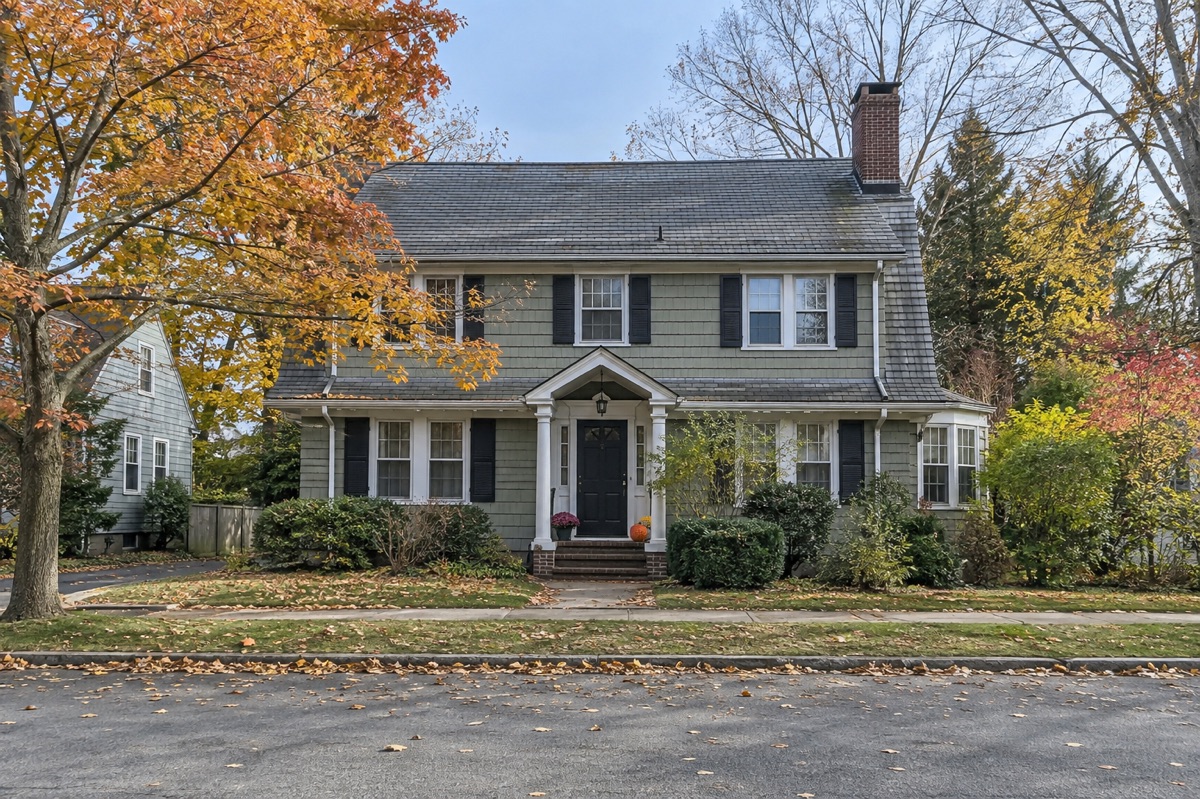
Start a slate quote by identifying the material. Natural quarried slate and synthetic slate-look products have different weights, installation details and warranties. For an existing natural slate roof, ask an experienced slate roofer to assess repair before assuming full replacement. This page explains the questions to ask for a quote.
This is a planning checklist, not a price list. We don't list prices for this job. The cost depends on your roof's size, shape, and condition and on where you live. The number you can trust is a written quote for your home. Use the factors below to plan the work and to compare quotes for the same job.
What drives the price
- Material: identify natural slate, quarry and thickness, or the exact synthetic product.
- Repair scope: ask what is damaged, what can remain and why the proposed repair or replacement is needed.
- Structure: include any assessment or reinforcement required for the chosen system.
- Skilled labor: ask for completed slate projects similar to yours, not only shingle jobs.
- Flashing and fasteners: specify compatible materials and the areas to be renewed.
- Matching stock: compare the size, color and thickness of replacement slates.
- Access and protection: include safe staging and protection for the roof and grounds.
Lifespan, weight, and performance
Lifespan: Natural slate life varies with the stone, weather and roof condition. Flashings or fasteners may need work before sound slates do. Synthetic products have their own care and warranty terms; do not apply natural slate expectations to them.
Structural weight: Natural slate can place a substantial load on a roof. Before changing materials, ask a qualified designer or structural engineer to assess the proposed assembly. Synthetic products vary, so request the actual product weight rather than assuming all slate-look roofs are lightweight.
Weather performance: A slate roof is more than the stone. The National Park Service recommends checking slates, flashings, gutters and other possible leak sources before deciding on replacement. Foot traffic and poorly planned repairs can damage slate; roof-level work belongs with an experienced professional.
Common questions
- Does a leaking slate roof need replacement?
- Not always. Local damage or worn flashing may be repairable, but widespread deterioration can change the decision. Ask an experienced slate roofer to document the condition and explain both options.
- Is synthetic slate the same product?
- No. It imitates the look but has different material properties, installation rules and warranty terms. Compare the exact product rather than using natural slate as a substitute specification.
- Why does matching stock matter?
- Replacement slates should fit the existing size and thickness and have a suitable appearance. Ask how the roofer will source matching or compatible pieces and store any spares.
- Can I inspect or seal a slate leak myself?
- Do not walk the roof or coat it with a general sealant as a substitute for diagnosis. Note symptoms from a safe place and call an experienced slate roofer; inappropriate repairs can make later work harder.
Related guides
Get the free Seasonal Home Maintenance Schedule
A seasonal checklist for your roof, gutters, HVAC and more, plus practical homeowner tips. Adjust the schedule for your climate and equipment.
We don't sell your email address. See our privacy policy.
Sources
- Preservation Brief 29: The Repair, Replacement, and Maintenance of Historic Slate Roofs — National Park Service
Source and copy check: September 21, 2026. This AI-assisted editorial review is not a contractor inspection or an engineering assessment.