Home › Cost Guides › Roofing Costs › Roof Replacement Cost
Roof Replacement Cost Factors & Quote Planning
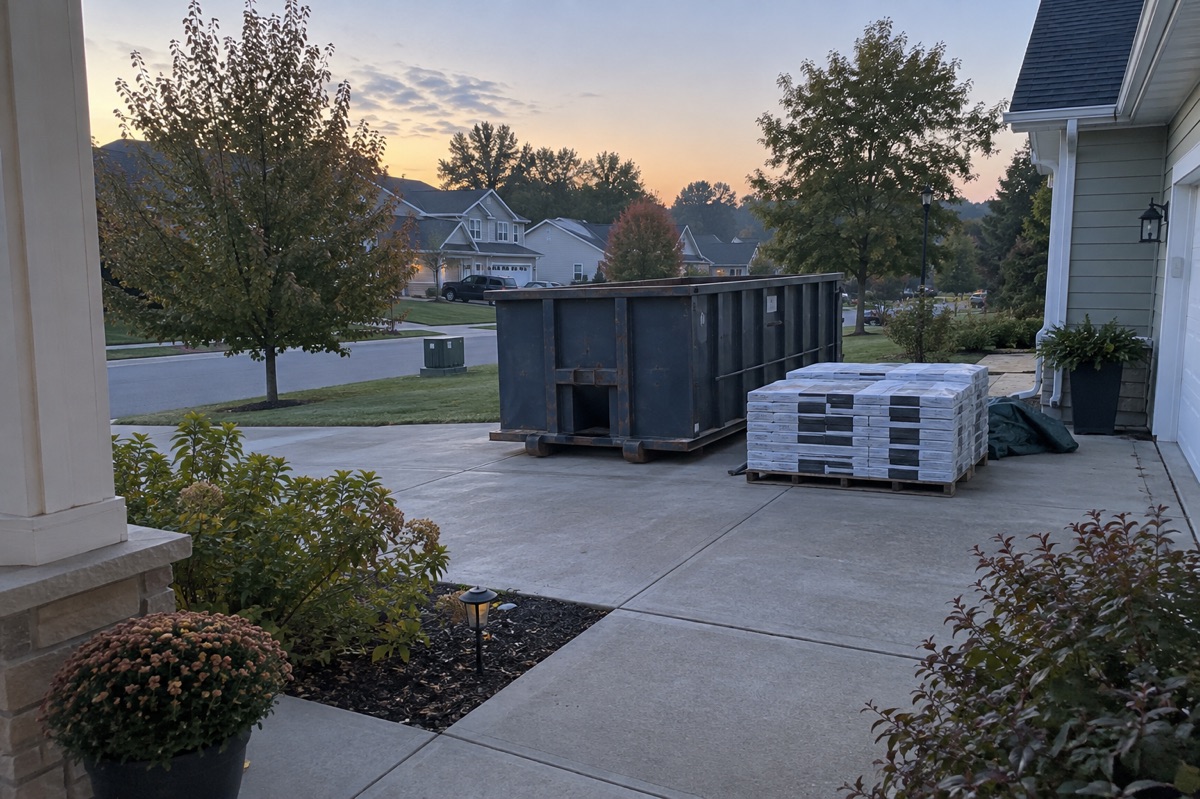
A roof replacement quote should cover more than the top layer. Ask about removal, the deck beneath the roof, flashing, underlayment, permits and cleanup. This guide is a scope checklist, not a price estimate. Use it to compare written bids and agree on how extra work will be approved.
This is a planning checklist, not a price list. We don't list prices for this job. The cost depends on your roof's size, shape, and condition and on where you live. The number you can trust is a written quote for your home. Use the factors below to plan the work and to compare quotes for the same job.
What drives the price
- Removal and disposal: state what layers will come off and where waste will go.
- Hidden damage: agree on a unit price or approval method for deck repairs before work starts.
- Roof system: name the covering, underlayment, fasteners and ventilation work.
- Flashing and edges: specify work at walls, chimneys, valleys and roof edges.
- Permits and inspections: identify who obtains required approvals and closes them out.
- Site protection: cover staging, access, landscaping and cleanup, including stray fasteners.
- Payment and changes: record milestones, exclusions and how you must approve added work in writing.
Lifespan, weight, and performance
Lifespan: Ask for separate product and workmanship warranty terms, plus the required care plan. Neither a warranty nor a salesperson’s estimate guarantees a service life. The complete system and installation matter.
Structural weight: Changing materials or leaving old layers in place can change the load on the structure. Ask whether the proposed assembly needs a structural assessment. Do not assume an existing roof proves that a different material or an added layer is suitable.
Weather performance: Removal can reveal hidden deck damage; an overlay can leave it unseen. Ask how the roofer will assess the existing roof and handle damaged areas. Specify flashing, underlayment and local code requirements in the bid rather than relying on a material name alone.
Common questions
- Should I remove the old roof or cover it?
- Ask the roofer to explain the roof’s condition and what the product instructions and local rules allow. Removal allows a closer deck inspection; a recover must be justified for the actual roof.
- How do I handle hidden deck damage?
- Ask in advance how it will be documented and priced. Require photos where practical and a written change approval before optional extra work. Clarify any urgent work needed to keep the site safe.
- What if insurance may pay?
- Contact your insurer, document damage safely and keep receipts. Do not delay necessary safe emergency protection while comparing permanent repairs. Confirm coverage and your own share with the insurer; a roofer’s promise is not a coverage decision.
- How do I compare the schedule?
- Ask for estimated dates for permits, delivery, roof work and inspection. Record how weather or hidden damage affects the schedule. A crew’s working days are not the same as the project’s full timeline.
Related guides
Get the free Seasonal Home Maintenance Schedule
A seasonal checklist for your roof, gutters, HVAC and more, plus practical homeowner tips. Adjust the schedule for your climate and equipment.
We don't sell your email address. See our privacy policy.
Sources
- How To Avoid a Home Improvement Scam — written estimates and contract checks — Federal Trade Commission
- How To Avoid Scams After Weather Emergencies and Natural Disasters — Federal Trade Commission
Source and copy check: September 21, 2026. This AI-assisted editorial review is not a contractor inspection or an engineering assessment.