Home › Cost Guides › Roofing Costs › Flat & Low-Slope Roof Cost
Flat & Low-Slope Roof Cost Factors & Quote Planning
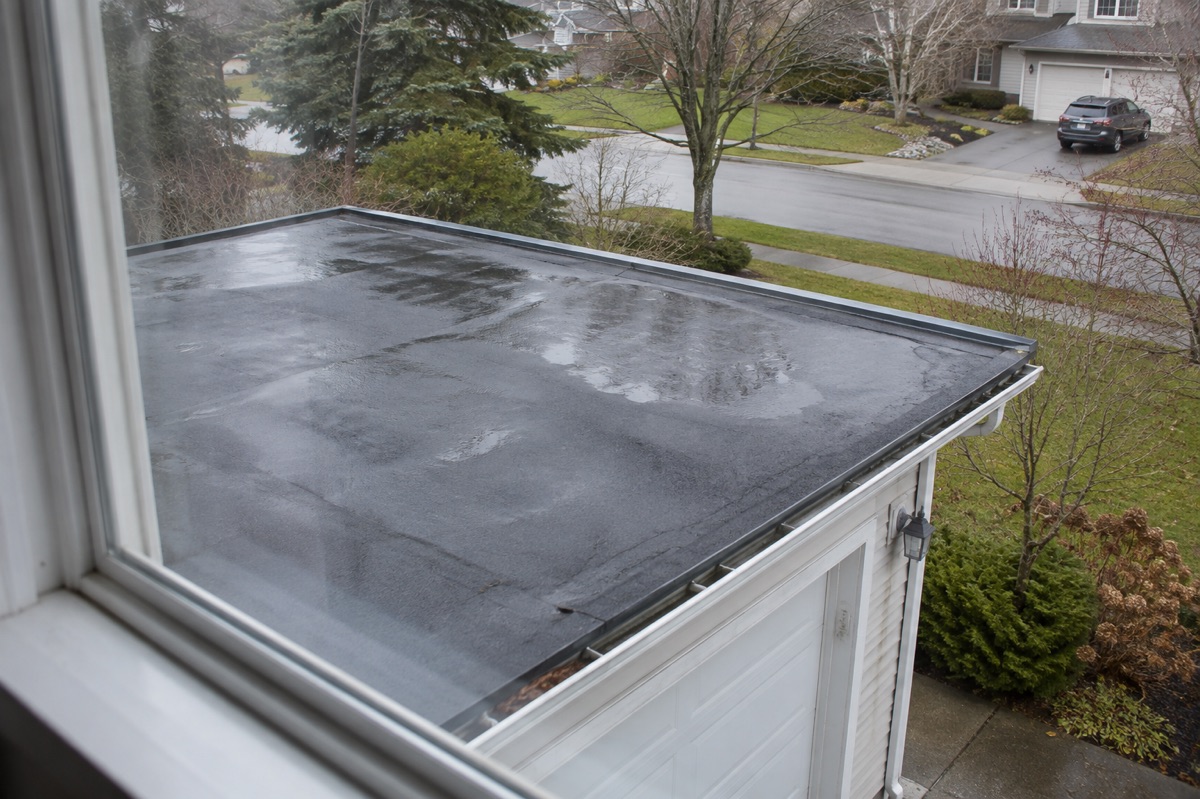
A low-slope roof quote should name the full system. TPO, EPDM, modified bitumen and foam are different choices, not interchangeable labels. Insulation, seams, drains and edge details also change the scope. Use this guide to ask what each bid includes.
This is a planning checklist, not a price list. We don't list prices for this job. The cost depends on your roof's size, shape, and condition and on where you live. The number you can trust is a written quote for your home. Use the factors below to plan the work and to compare quotes for the same job.
What drives the price
- System: require the membrane or coating brand, product and thickness in each quote.
- Seams and flashings: ask how joints, wall edges, pipes and equipment curbs will be sealed.
- Drainage: identify low spots and ask what work is included to improve water flow.
- Removal or recover: ask what must come off, how wet material will be found and when the deck will be inspected.
- Insulation: compare type, thickness and any tapered sections used for drainage.
- Access and equipment: include safe staging and any work needed around rooftop equipment.
- Care plan: ask for inspection intervals, drain care and the process for reporting a leak.
Lifespan, weight, and performance
Lifespan: There is no single service life for all low-slope roofs. Ask how the chosen membrane, insulation and drainage plan fit your building. Get the maintenance duties and warranty exclusions in writing. A warranty is not a forecast of the roof’s life.
Structural weight: Ask about the full assembly, including insulation, existing layers and any water that can collect. A contractor or designer may need to assess the deck and structure. Do not assume a thin membrane means the whole project is lightweight.
Weather performance: Standing water is a reason to have drainage checked, not proof that the roof must be replaced. NRCA guidance explains that slope and drainage matter. Ask how the proposed work addresses low spots, drains and overflow routes, and check the chosen system’s warranty terms.
Common questions
- How do I compare two low-slope roof bids?
- Match the system, thickness, insulation, deck work, flashings and drainage scope. Ask each bidder to explain differences instead of judging only the total.
- Does ponding mean I need a new roof?
- Not by itself. A qualified roofer should check where water collects, how long it remains, the roof’s condition and the drainage design. Do not cover a drainage problem without a plan to address it.
- Can a shingle roofer do this work?
- Ask for experience with the exact low-slope system. Check any installer requirements in the manufacturer’s warranty and request similar completed projects.
- What can I check safely?
- From a safe ground-level position, note leaks, visible debris and drainage changes. Have a qualified person inspect roof-level seams, drains and edges. Do not climb onto a wet, damaged or unfamiliar roof to follow a checklist.
Related guides
Get the free Seasonal Home Maintenance Schedule
A seasonal checklist for your roof, gutters, HVAC and more, plus practical homeowner tips. Adjust the schedule for your climate and equipment.
We don't sell your email address. See our privacy policy.
Sources
- Still Water Runs Deep — roof slope and drainage — National Roofing Contractors Association (2012)
Source and copy check: September 21, 2026. This AI-assisted editorial review is not a contractor inspection or an engineering assessment.